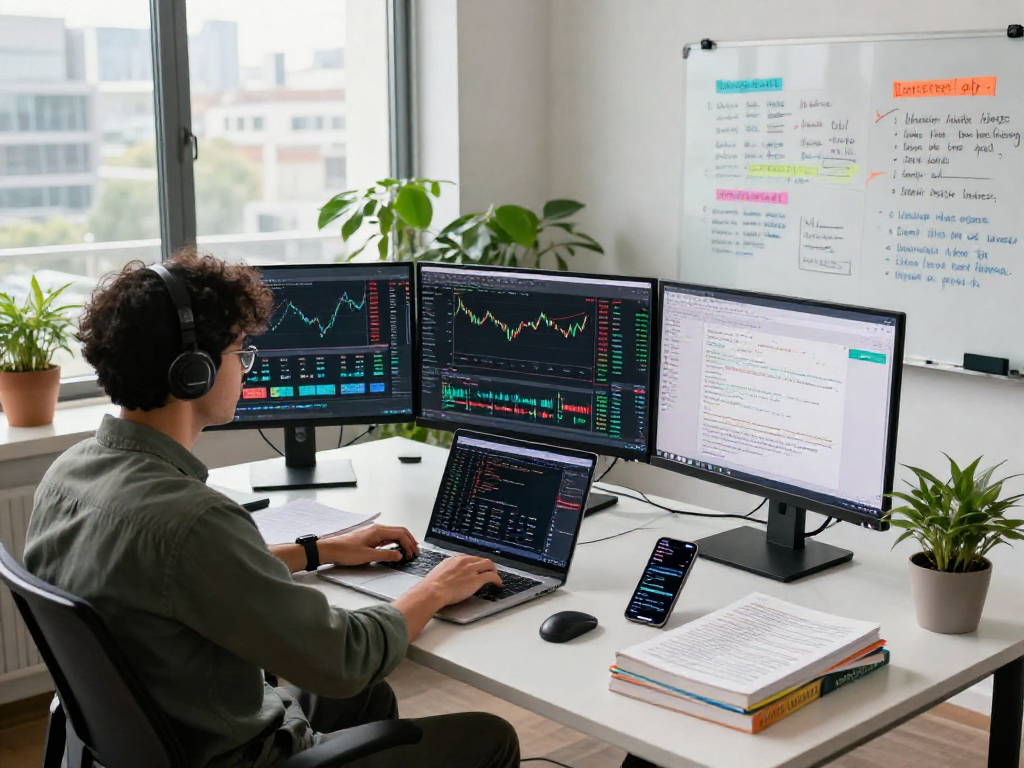
Understanding Stock Market Data Feeds
In today's fast-evolving financial landscape, the ability to access real-time market data is crucial for traders and investors alike. With the proliferation of cryptocurrencies, stocks, and forex, a reliable stock market data feed allows market participants to make informed decisions based on the latest price movements and trends. This article explores the intricacies of market data feeds, focusing on their operational mechanisms, benefits, and the continued importance they hold in today's financial ecosystem.
What is a Stock Market Data Feed?
A market data feed is a system that provides traders with the necessary price updates, trade information, and market depth required to make timely trading decisions. It serves as a conduit between exchanges and financial applications, enabling real-time access to vital financial data. Data feeds can vary widely depending on their source, formats, and types of data provided, covering everything from simple price quotes to complete order book information.
Types of Market Data Feeds
Market data feeds can generally be categorized into several types:
- Real-Time Data Feeds: These feeds provide live market prices, allowing traders to assess their positions instantaneously.
- Delayed Data Feeds: These feeds offer market data that is updated at specified intervals, typically 15 to 20 minutes behind the real-time data.
- Historical Data Feeds: This type includes past market data, which traders use for backtesting strategies and analyzing trends.
- Aggregate Data Feeds: These combine data from multiple sources or exchanges into a single feed for convenience and comprehensive analysis.
Key Benefits of Real-Time Market Data
The advantages of having access to real-time market data feeds are numerous:
- Informed Decision-Making: Traders can make decisions based on the latest market conditions without relying on outdated information.
- Trading Efficiency: With real-time updates, traders can execute trades swiftly, maximizing opportunities as they arise.
- Improved Risk Management: Access to live data allows traders to adjust their strategies to mitigate potential losses actively.
- Enhanced Trading Algorithms: Automated trading systems benefit significantly from real-time feeds as they can respond to market changes in milliseconds.
How to Choose the Right Data Feed Provider
Evaluating Features and Performance
When selecting a market data feed provider, important criteria include:
- Data Accuracy: Ensure the data provided is reliable and reflects true market conditions.
- Latency: Look for providers that offer low-latency feeds to ensure timely information delivery.
- Coverage: Check if the provider supports multiple asset classes such as stocks, currencies, and cryptocurrencies.
- Integration Capabilities: The ability to easily integrate the data feed into existing systems or applications is essential for seamless operation.
Pricing Models and Support Options
Different providers may offer various pricing structures, including subscription models, pay-per-use, or tiered pricing based on usage. It is important to consider the customer support options available, including the availability of technical support and resources for troubleshooting.
Compliance and Security Standards
Adherence to industry standards for data security and user privacy is paramount. A reputable provider will comply with regulations related to data protection, ensuring that their services remain secure against potential breaches.
Integrating Market Data Feeds into Applications
WebSocket vs REST API: Pros and Cons
WebSockets and REST APIs serve distinct purposes in market data integration:
- WebSocket: Offers a persistent connection and allows for real-time data streaming. It's beneficial for applications requiring live updates, such as trading terminals and bots.
- REST API: Best for retrieving historical data and initializing connections. It's often used for snapshot data and is easier for simpler applications but may introduce latency compared to WebSockets.
Common Programming Languages and Frameworks
Integrating market data feeds can be accomplished using various programming languages and frameworks, including:
- Python: Popular for data analysis and algorithm development, leveraging libraries like Pandas and NumPy.
- JavaScript: Common in web applications, often utilizing WebSockets for real-time data updates.
- Go: Known for its efficiency and performance when it comes to handling concurrent connections for live data.
- C#: Frequently used in enterprise environments for developing trading applications.
Implementing Real-Time Market Analytics
Real-time market analytics can transform how traders operate, providing tools such as live watchlists, depth ladders, and portfolio tracking that can influence strategic decisions based on market movements.
Advanced Trading Strategies with Market Data
Utilizing Tick Data for Precision Trading
Tick data represents the most granular level of market information, capturing every transaction. This data can be advantageous for high-frequency trading (HFT) strategies, enabling precise entry and exit points based on minute price changes.
Event-Driven Trading Strategies
Traders can leverage event-driven strategies by utilizing market data feeds to react promptly to news events or unexpected market movements, ensuring they capitalize on opportunities that may arise from these occurrences.
Portfolio Management and Analytics Tools
Access to real-time market data enables traders to manage their portfolios more effectively, tracking performance metrics and adjusting their strategies based on live data feeds rather than relying on historical performance alone.
Future Trends in Market Data Feeds
Innovative Technologies in Financial Data
The growing integration of machine learning and artificial intelligence into market data analysis is transforming how traders interpret data, providing predictive analytics to foresee potential market trends and outcomes.
The Role of AI and Machine Learning
AI and machine learning are revolutionizing data feed utilization, enabling traders to develop more sophisticated algorithms that analyze vast datasets quickly and accurately for better decision-making.
Regulatory Updates Impacting Market Data Services
As regulations in the cryptocurrency and financial sectors continually evolve, adherence to compliance standards will remain a critical component for data feed providers to maintain legitimacy and avoid legal pitfalls.
What are the best data sources for stock market data?
Some of the leading sources include major exchanges like NYSE and Nasdaq, as well as specialized market data providers that offer tailored solutions for various trading needs.
How can I access free stock market data feeds?
Several platforms offer limited access to free market data feeds. However, for comprehensive and real-time data, subscription services are typically more reliable and secure.
What metrics are essential for trading success?
Key metrics include market volatility, price movements, trading volume, and transaction costs, all of which can drastically affect trading outcomes.
How does real-time data impact trading strategies?
Real-time data enables traders to adjust their strategies dynamically in response to market movements, significantly enhancing the likelihood of maximizing profits and minimizing losses.
What are the security risks associated with market data feeds?
Risks include data breaches, phishing attacks, and reliance on providers that may not secure their data streams effectively, making it vital for traders to conduct thorough due diligence when selecting data partners.
DeFi & Advanced Topics
Decentralized exchanges (DEXs): AMMs, order books, liquidity pools
Decentralized exchanges allow users to trade directly with one another using liquidity pools. Automated Market Makers (AMMs) enable the trading of cryptocurrencies without the need for traditional order books, enhancing liquidity and reducing reliance on third parties.
Lending and borrowing platforms
Protocols such as Aave and Compound are fundamentally changing the way users approach finance operations, allowing individuals to lend and borrow funds in a decentralized manner, which can yield passive income through interest rates.
Yield farming and liquidity mining strategies
Yield farming strategies allow cryptocurrency holders to earn rewards by providing liquidity to DeFi protocols. Understanding impermanent loss and how to mitigate it is essential for participants in this landscape.
Flash loans and arbitrage opportunities
Flash loans offer instant access to large amounts of capital for executing profitable trades without collateral provided the loan is paid back within the same transaction block. Arbitrage opportunities arise when the price for an asset differs across markets, allowing traders to profit from discrepancies.
Staking rewards and validator economics
In proof-of-stake networks, staking involves locking up funds to support network operations, earning rewards in return. Understanding validator economics is essential for those wanting to participate in securing blockchain networks.
Regulatory & Legal Compliance
Given the rapid growth of blockchain technologies, keeping abreast of evolving regulations is necessary for all market participants. In 2026, regulations from entities like the SEC and CFTC will continue to shape how financial data and services are delivered.
Contextualized regulations such as MiCA in the EU will set applicable frameworks for operational practices, underscoring the need for AML and KYC compliance for crypto exchanges. It’s critical for firms to stay compliant to avoid penalties and ensure customer trust in their services.
Security Threats & Risk Management
Explain common security threats
Phishing attacks remain a predominant threat, targeting both users and platforms. Being able to recognize these attacks is essential for safeguarding investments. Other threats include malware, fake ICOs, and unstable project fundamentals that lead to exit scams.
Mitigation strategies
Investors should employ due diligence checklists, remain informed about community reputation, and ensure rigorous contract audits before committing financial resources, allowing for safer engagement in the market.