Understanding Lighting Solutions for Home and Business
Effective lighting solutions are fundamental in shaping the ambiance, functionality, and aesthetic appeal of both residential and commercial spaces. Whether you are redesigning your home, looking to enhance workplace productivity, or planning for energy efficiency, understanding the various types of lighting solutions and their impact is crucial. In this guide, we explore the diverse categories of lighting solutions available and the benefits they offer, enabling users to make informed choices that align with their needs.
Types of Lighting Solutions Available
Lighting solutions can be broadly categorized into three main types: ambient, task, and accent lighting. Each serves unique purposes and can be utilized based on the particular requirements of a space.
Ambient Lighting
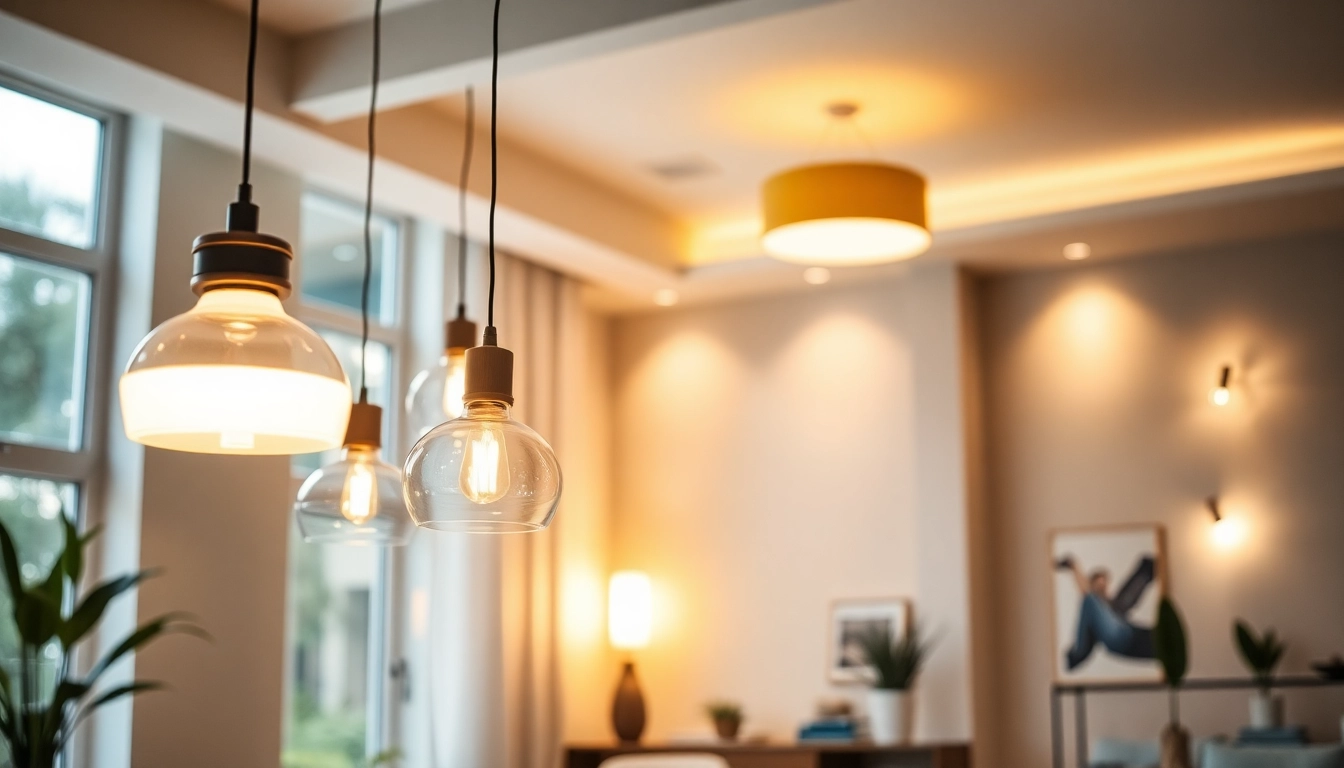
Also known as general lighting, ambient lighting provides a uniform level of illumination throughout a space, serving as the primary light source. Common ambient lighting solutions include ceiling-mounted fixtures, chandeliers, and wall-mounted lights. This type of lighting is essential for navigating spaces and performing basic tasks.
Task Lighting
Task lighting is designed for specific activities and enhances visibility to complete tasks efficiently. Examples include desk lamps for studying, under-cabinet lights in kitchens, and reading lights by sofas. Task lighting should complement ambient lighting and provide adequate brightness where needed.
Accent Lighting
Accent lighting adds visual interest by highlighting certain features, such as artwork or architectural details. It is often accomplished through track lighting, recessed lighting, or spotlights. Effective accent lighting creates depth and attracts attention to focal points in a room.
Key Benefits of Proper Lighting Solutions
The right lighting solutions offer numerous advantages, significantly impacting mood, productivity, and energy consumption.
Mood Enhancement
Lighting influences emotions and atmosphere. Dimmer switches, soft warm lighting, and strategically positioned fixtures can create calming or inviting environments, making them perfect for living spaces and restaurants.
Increased Productivity
In work environments, proper task lighting reduces eye strain and fatigue, allowing employees to concentrate better and produce high-quality work. Studies have shown that well-lit spaces correlate positively with employee efficiency.
Energy Efficiency
Modern lighting solutions often incorporate energy-efficient bulbs, such as LED lights, which can reduce energy costs significantly. Efficient lighting choices not only lower utility bills but also contribute to environmental sustainability.
Choosing the Right Lighting Solutions for Your Needs
Selecting the appropriate lighting solutions necessitates careful consideration of multiple factors, including the purpose of the area, the type of activities performed, personal style, and energy efficiency.
Assess Your Space
Understanding the layout, color scheme, and purpose of each room helps in planning the lighting design. Neutral colors can benefit from cooler, brighter lights, while warm colors may pair well with softer lighting.
Consider Your Activities
Identify what activities will take place in each space. Areas used for reading or intricate tasks require task lighting, while social spaces benefit from ambient and accent lighting to encourage relaxation and conversation.
Energy Considerations
When planning your lighting solutions, consider the energy costs associated with different types of bulbs. Opting for LED lighting, for example, can result in long-term cost savings and lower environmental impact.
Trends in Lighting Solutions: What’s Currently Popular
The landscape of lighting solutions continues to evolve, driven by advancements in technology and a growing emphasis on sustainability and design. Here are some notable trends in modern lighting solutions.
Eco-Friendly Lighting Solutions
As environmental awareness rises, eco-friendly lighting solutions are gaining traction. These solutions not only utilize energy-efficient bulbs but also focus on sustainable materials and practices in their design and production.
LED Lighting
LED lights are at the forefront of eco-friendly solutions due to their high energy efficiency and long lifespan. They consume up to 75% less energy than incandescent bulbs and last significantly longer, making them an ideal choice for environmentally conscious consumers.
Recycled and Sustainable Materials
More manufacturers are incorporating recycled materials into their lighting designs, reducing waste and promoting sustainability. Products made from reclaimed wood or recycled metals not only minimize ecological footprints but also add unique character to spaces.
Smart Lighting Solutions Innovations
Smart lighting solutions integrate technology to provide enhanced user experiences. With features such as remote control, voice activation, and automation via smartphones or smart home systems, these innovations are changing the way we interact with light.
Energy Management Tools
Smart lighting systems come equipped with apps that allow users to monitor energy consumption, set schedules, and adjust brightness levels. This not only helps in optimizing lighting for specific needs but also enhances energy efficiency.
Color Temperature Control
Smart bulbs can change color temperature based on the time of day or user preference, promoting improved focus during work hours and relaxing lighting in the evening. This adaptability can enhance overall well-being and productivity.
Design Trends in Lighting Solutions
The design aspect of lighting solutions extends beyond functionality; it plays a crucial role in interior aesthetics as well. Here are some current design trends that are capturing attention.
Minimalism
Minimalist designs and clean lines are popular in modern lighting, reflecting simplicity and functionality. Fixtures that blend seamlessly into their surroundings allow for versatility in various design contexts.
Vintage and Retro Styles
There is a resurgence of vintage lighting styles that evoke nostalgia. Statement pieces like Edison bulbs and industrial-style fixtures add character and become focal points in interior décor, proving that old is indeed gold.
How to Implement Effective Lighting Solutions
Implementing lighting solutions effectively involves careful planning, execution, and maintenance of lighting systems to ensure they meet the intended goals without overlooking technical aspects.
Planning Your Lighting Design
Effective lighting design begins with a comprehensive plan. Factors to consider include:
Lighting Layers
Incorporate all three types of lighting—ambient, task, and accent— to create a balanced and versatile lighting scheme. This layering effect allows for flexibility and adaptability to various needs throughout the day.
Lighting Placement
Strategically place fixtures to avoid shadows and ensure even distribution of light. Utilizing the focal points of the room can enhance the overall effect and utility, guiding attention to key elements in the design.
Installation Tips for Lighting Solutions
Proper installation ensures safety and achieves desired lighting effects. Here are some essential tips to keep in mind:
Consult a Professional
While DIY installations can be tempting, hiring a qualified electrician for complex setups, particularly those involving wiring and electrical systems, ensures safety and compliance with local codes.
Use the Right Tools and Techniques
Make sure to use appropriate tools, such as wire strippers and screwdrivers, for the best results. Pay careful attention to securing fixtures properly to avoid any hazards.
Common Mistakes to Avoid with Lighting Solutions
Avoiding common pitfalls can save time and enhance the effectiveness of your lighting solutions. Here are some mistakes to watch out for:
Ignoring Dimming Options
Failing to install dimmers can limit flexibility in lighting intensity. Using dimmers allows for adjusting light levels according to different times of day and activities.
Overlooking Energy Efficiency
Neglecting energy-efficient solutions can lead to higher electricity bills and increased environmental impact. It’s essential to prioritize efficiency in both bulb choice and fixture design.
Maintenance and Care for Your Lighting Solutions
Ongoing maintenance of lighting solutions is crucial for longevity, performance, and safety. Proper care ensures that your installations remain functional and visually appealing.
Cleaning and Upkeep Tips
Regular cleaning enhances the efficiency and appearance of lighting fixtures. Dust and grime can accumulate over time, dimming output. Here are some cleaning tips to follow:
Scheduled Cleanings
Set a regular schedule to clean light fixtures, ideally every few months. Use a soft cloth and appropriate cleaner for materials to avoid damage.
Check for Bulb Integrity
Periodically inspect bulbs and replace any that have burned out or flicker. This ensures optimal performance and safety in your spaces.
When to Replace or Upgrade Your Lighting Solutions
Knowing when to replace or upgrade lighting solutions can improve performance and energy efficiency:
Signs of Inefficiency
If lights flicker, burn out frequently, or have diminished brightness, it may be time to replace the bulbs or fixtures. Investing in newer technology can save money in the long run.
Technological Advancements
As technology improves, upgrading to smart or energy-efficient models may offer significant cost savings and enhanced user experiences.
Maximizing Efficiency of Your Lighting Solutions
Maximizing the efficiency of your lighting solutions is about more than simply choosing energy-efficient bulbs. Here are some strategies:
Utilize Natural Light
Take advantage of natural light by placing mirrors strategically and using sheer window treatments. This enhances brightness during the day and reduces reliance on electric lighting.
Use Timers and Sensors
Implementing timers and motion sensors ensures lights are only active when needed, enhancing energy efficiency and extending the lifespan of the fixtures.
Frequently Asked Questions About Lighting Solutions
What are the best lighting solutions for small spaces?
In small spaces, consider wall-mounted fixtures and recessed lighting. These solutions maximize floor area while providing necessary illumination.
How can I make my lighting solutions more energy efficient?
Opt for LED bulbs, install dimmers, and utilize natural light where possible to enhance energy efficiency in your lighting solutions.
What lighting solutions are best for outdoor areas?
For outdoor areas, weather-resistant fixtures, solar-powered lights, and path lighting ensure safety and enhance accessibility while being energy efficient.
How do I choose the right brightness for my lighting solutions?
Select brightness based on the activity: softer lighting suits relaxation areas, while brighter lighting enhances focus in workspaces. Lumens can guide your choices.
Can I install lighting solutions myself, or should I hire a professional?
While minor fixtures can be DIY, complicated installations, especially those involving wiring, should be handled by a professional to ensure safety and compliance with regulations.