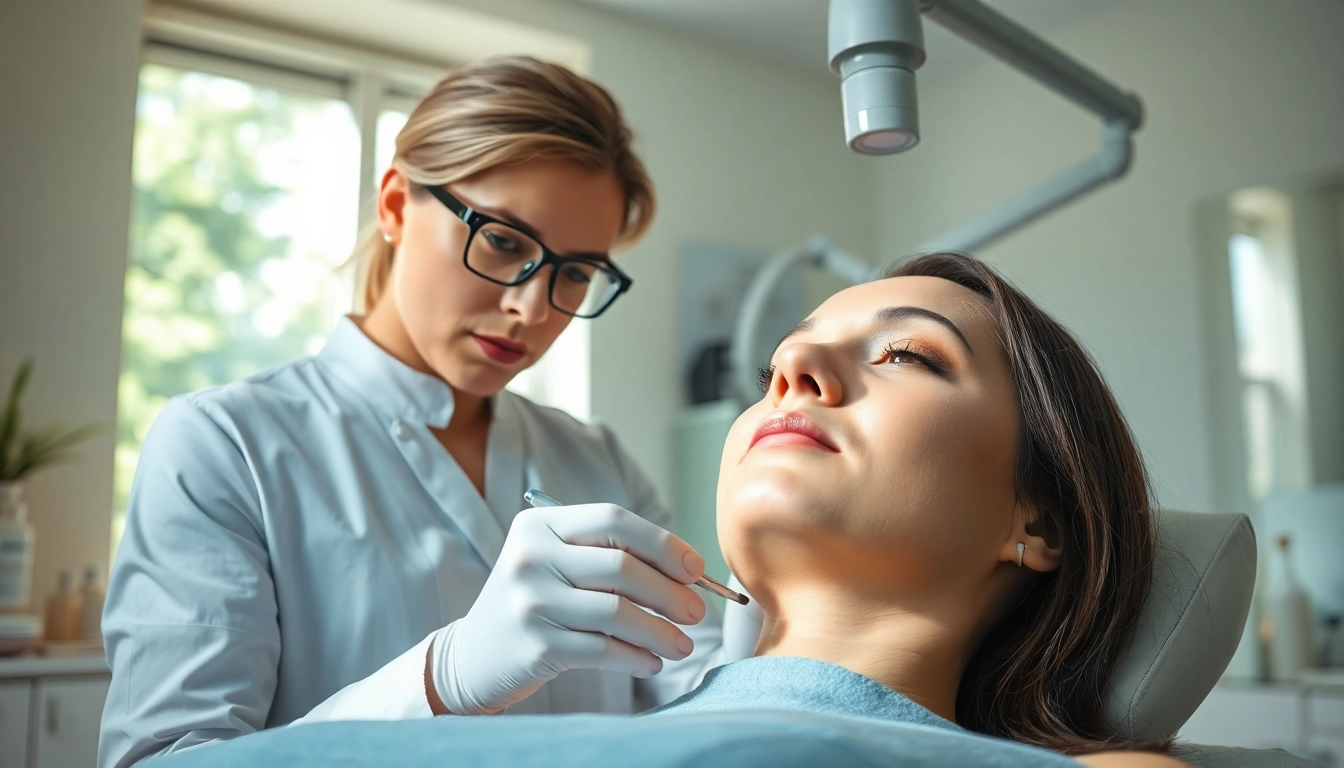
What Are Aesthetic Treatments?
Definition and Overview
Aesthetic treatments refer to a variety of procedures designed to improve the appearance of an individual, focusing on enhancements that affect both the face and body. These treatments can range from non-invasive procedures like chemical peels and microdermabrasion to minimally invasive options such as fillers and botulinum toxin injections. The primary goal is to create a more youthful, vibrant appearance while also boosting self-esteem and confidence. For many, exploring aesthetic treatments is not just about looks, but about feeling better in their own skin.
Popular Types of Aesthetic Treatments
Within the realm of aesthetic treatments, there are numerous options available, each addressing specific concerns and preferences. Some of the most popular include:
- Botulinum Toxin Injections: Commonly known as Botox, this treatment temporarily reduces the appearance of fine lines and wrinkles by relaxing the muscles that cause them.
- Dermal Fillers: These are used to restore volume to areas of the face that have lost fullness over time, particularly in the cheeks, lips, and nasolabial folds.
- Chemical Peels: Aimed at improving skin texture and tone, chemical peels involve the application of a solution that exfoliates the upper layers of skin, revealing a fresher layer beneath.
- Laser Treatments: This category encompasses a wide range of procedures that use laser technology to treat skin issues like pigmentation, acne scars, and vascular lesions.
- Microneedling: This technique involves the use of small needles to create micro-injuries in the skin, promoting collagen production and improving texture and tone.
- Skin Resurfacing: This can include both laser therapies and mechanical means to remove damaged skin layers, leading to smoother, healthier skin.
Benefits of Aesthetic Treatments
The advantages of undergoing aesthetic treatments extend beyond mere physical appearance. Here are some key benefits:
- Enhanced Self-Confidence: Many individuals report a boost in self-esteem following aesthetic treatments, as they feel more comfortable in their skin.
- Minimally Invasive Options: Treatments like fillers and Botox provide noticeable results with little to no downtime, allowing people to maintain their routines.
- Long-Lasting Results: Many aesthetic treatments offer results that can last for months or even years with proper maintenance, making them worthwhile investments.
- Personalization: Depending on individual skin type and concerns, aesthetic treatments can be tailored to provide the best results.
- Improved Skin Health: Some treatments offer additional skin benefits, such as increased hydration, smoother texture, and reduced pigmentation.
Choosing the Right Aesthetic Treatment
Assessing Your Skin Type
Before embarking on any aesthetic treatment, it’s crucial to assess your skin type. This assessment helps to determine the most suitable procedures for you. Skin types can generally be categorized as:
- Normal: Balanced skin that is neither oily nor dry, typically responds well to a variety of treatments.
- Oily: Commonly characterized by excess shine and enlarged pores, acne-prone individuals may benefit from treatments that reduce oil production.
- Dry: Skin that exhibits flakiness and tightness might respond better to hydrating therapies and gentle exfoliation.
- Combination: A mix of both oily and dry areas, often requiring a tailored approach to treatment.
- Sensitive: This type can react negatively to certain products and treatments, necessitating careful selection to avoid irritation.
Consulting Professionals for Aesthetic Treatments
Consultation with a qualified aesthetic practitioner is essential. A reputable professional will conduct a thorough skin assessment and discuss your goals, explaining the benefits and potential risks associated with suggested treatments. Additionally, experienced practitioners will provide insight into post-treatment care and answer any questions you may have, ensuring a well-informed decision-making process.
Customizing Your Treatment Plan
One size does not fit all when it comes to aesthetic treatments. A personalized treatment plan can enhance results and satisfaction. This plan may incorporate a combination of treatments that target various issues, such as hydration, pigmentation, and elasticity. Working with a dedicated aesthetic professional enables you to design a comprehensive approach tailored to your unique skin requirements.
Safety Considerations for Aesthetic Treatments
Understanding Risks and Side Effects
While aesthetic treatments are generally safe, understanding potential risks is essential. Common side effects may include swelling, redness, or mild discomfort post-treatment. Serious complications, though rare, can occur, particularly if the procedure is performed by an untrained individual. Always discuss these risks with your practitioner beforehand, so you can make informed decisions regarding your options.
Importance of Licensed Practitioners
Selecting a licensed, reputable practitioner is paramount for ensuring safety and effective outcomes. Licensed professionals are trained to handle complications and provide appropriate care. When seeking aesthetic treatments, verify the credentials of your practitioner and read reviews or testimonials to gauge their expertise.
Aftercare Following Aesthetic Treatments
Proper aftercare is crucial to achieving optimal results from aesthetic treatments. Your practitioner should provide specific aftercare instructions tailored to the treatment you’ve received. General aftercare tips may include avoiding sun exposure, refraining from intense physical activity for a period, and using gentle skincare products to support the healing process.
The Future of Aesthetic Treatments
Emerging Trends in Skincare
The landscape of aesthetic treatments is constantly evolving, with emerging trends that reflect contemporary skincare needs and preferences. Natural look enhancements are rising, where treatments aim to enhance rather than alter one’s appearance drastically. Organic and non-invasive procedures are gaining popularity, as consumers become more educated about ingredient safety and impacts.
Technology Innovations in Aesthetic Treatments
Advancements in technology continue to shape the future of aesthetic treatments. From AI analysis systems to advanced laser technologies, innovation leads to more precise and effective treatments. Devices that harness radio-frequency energy for skin tightening and fractionated lasers for resurfacing are just a few examples of how emerging technologies enhance treatment efficacy.
Personalization and Efficacy
As personalized skincare continues to gain traction, aesthetic treatments are becoming increasingly tailored to individual needs and preferences. Innovations in skin mapping and analysis allow practitioners to customize their approach effectively, thus enhancing treatment efficacy and satisfaction. Customers are more likely to appreciate outcomes tailored explicitly to their skin type and goals.
Frequently Asked Questions on Aesthetic Treatments
What are the most common aesthetic treatments?
Common aesthetic treatments include Botulinum toxin injections, dermal fillers, chemical peels, laser therapies, and microneedling. Each procedure targets specific skin concerns.
Do aesthetic treatments hurt?
Most aesthetic treatments involve minimal discomfort, often described as a slight pinch or tingling sensation. Topical anesthetics are frequently used to enhance comfort during procedures.
How long do aesthetic treatment results last?
The longevity of results varies depending on the treatment type. For example, dermal fillers can last six months to two years, while Botox results typically last three to six months.
Can aesthetic treatments be customized?
Yes, aesthetic treatments can and should be customized based on individual skin type, concerns, and desired outcomes. Consultation with a skilled practitioner is essential for personalized recommendations.
What should I do before and after my treatment?
Prior to treatment, avoid sun exposure and blood-thinning medications. After treatment, follow your practitioner’s aftercare instructions, which may include avoiding workouts and sun exposure.