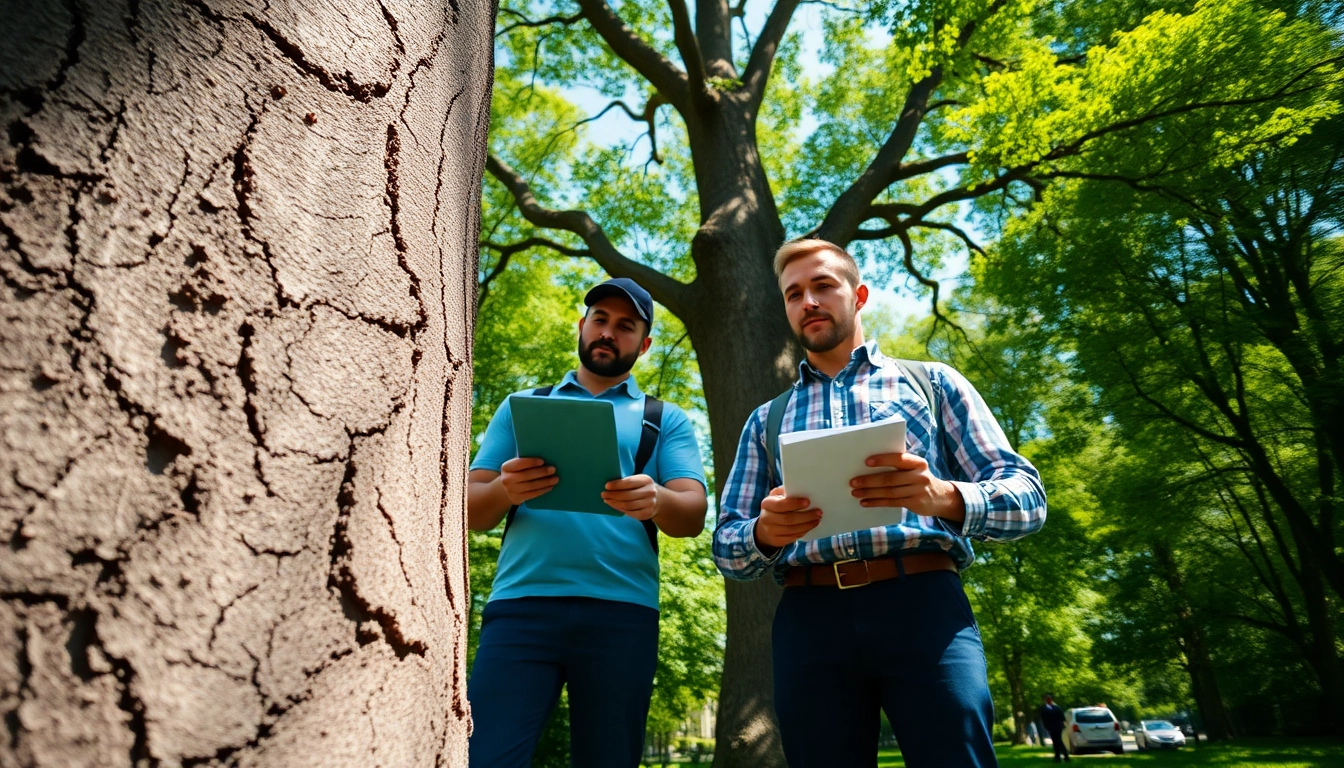
Understanding Tree Consultancy Services
What is Tree Consultancy?
Tree consultancy is a specialized service aimed at assessing, managing, and preserving trees within various environments, be it urban landscaping, residential properties, or public parks. It involves expert evaluation and guidance on tree health, risk assessments, and management strategies tailored to specific needs. Tree consultants utilize their extensive knowledge of arboriculture, ecology, and environmental science to provide actionable insights that ensure the vitality of trees and facilitate their proper management. By engaging with a Tree Consultancy, individuals and organizations can make informed decisions that contribute to sustainable tree stewardship.
Benefits of Tree Consultancy Services
The advantages of engaging tree consultancy services are manifold and extend beyond mere aesthetics. Here are some key benefits:
- Expert Guidance: Tree consultants bring in-depth knowledge and experience, helping clients navigate complex decisions regarding tree management.
- Health Assessments: Regular health assessments provide early detection of diseases and pests, protecting trees from potential threats.
- Risk Mitigation: Consultants identify hazardous trees and create management plans to mitigate risks, thereby protecting properties and individuals.
- Sustainability Practices: Tree consultants promote sustainable practices, ensuring long-term environmental health while meeting client needs.
- Value Improvement: Healthy, well-managed trees enhance property values and contribute positively to community aesthetics.
Common Types of Consultancy Offered
Tree consultancy encompasses various specialized services, including:
- Tree Risk Assessment: Analyzing the risk a tree poses to its surroundings and determining mitigation strategies.
- Tree Health Evaluation: Comprehensive investigations into tree health, identifying diseases, pest infestations, and environmental stressors.
- Tree Management Plans: Developing actionable plans to care for and manage trees based on their species, history, and location.
- Site Planning and Development: Advising on tree preservation during construction and urban development activities to minimize environmental impact.
- Legal Services: Providing expert testimony regarding tree-related disputes or assessments, important in legal contexts.
Key Factors in Tree Health Assessment
Identifying Tree Species and Health
Successful tree management begins with the accurate identification of tree species. Different species have diverse requirements for light, water, and nutrients. A comprehensive health assessment considers various factors:
- Physical Condition: Inspecting for signs of damage, disease, or pest activity. This includes evaluating leaves, bark, and branches.
- Soil Quality: Analyzing soil composition and health, which significantly impacts tree growth and vitality.
- Environmental Conditions: Assessing the surrounding ecosystem, including competition from other plants and environmental stressors such as pollution.
- Growth Patterns: Observing growth rates over time can indicate underlying health issues.
Assessing Environmental Impact on Trees
The environment plays a crucial role in tree health. Factors such as soil quality, air pollution, and climate conditions must be monitored:
- Soil Analysis: Conducting soil tests to determine pH, nutrient levels, and microbial activity helps in understanding tree health and growth.
- Climate Adaptation: Evaluating how trees cope with changing climate conditions is essential for long-term survival.
- Pollution Effects: Understanding how air and soil pollutants impact tree physiology can lead to better management practices.
Utilizing Technology in Health Assessments
Advancements in technology have revolutionized how tree health assessments are conducted. Employing modern tools enhances accuracy and efficiency:
- Drones: Aerial imagery from drones provides a thorough overview of large landscapes and can identify trees in distress.
- Remote Sensing: Technological systems measure tree growth patterns and health indicators over time.
- Software Solutions: Management software helps in tracking health assessments, documenting findings, and developing management plans.
Best Practices in Tree Management
Regular Maintenance and Care Tips
Maintaining tree health requires continuous effort. Here are several best practices for effective tree care:
- Watering: Young trees require regular watering, especially during dry spells. Established trees should still be monitored for moisture levels.
- Pruning: Regularly pruning dead or diseased branches promotes healthy growth and reduces risk.
- Mulching: Employing organic mulch maintains soil moisture and temperature while suppressing weeds.
- Monitoring: Regular inspections help catch problems before they escalate, particularly in urban settings where external stressors are prevalent.
Implementing Sustainable Practices
In today’s climate-conscious society, sustainable practices in tree management are imperative. Here are strategies to promote sustainability:
- Planting Native Species: Native trees are better adapted to local conditions and require less maintenance.
- Water Conservation: Implementing xeriscaping principles decreases water consumption without sacrificing tree health.
- Pest Management: Utilizing integrated pest management (IPM) techniques minimizes chemical use and promotes natural pest control.
Engaging Community for Tree Health
Community involvement is crucial for successful tree management. Here’s how to engage local populations:
- Education Programs: Hosting workshops on tree care and environmental stewardship encourages community participation.
- Volunteer Days: Organizing tree planting days fosters community spirit and promotes environmental responsibility.
- Tree Adoption Programs: Engaging individuals or families in tree care can foster a sense of ownership and responsibility.
Choosing the Right Tree Consultancy Partner
Evaluating Qualifications and Expertise
When selecting a tree consultancy partner, it’s important to thoroughly evaluate their qualifications:
- Certifications: Look for certifications from recognized arboriculture organizations demonstrating expertise.
- Experience: Consider the consultant’s experience in specific areas relevant to your needs.
- References: Ask for references and customer testimonials to gauge previous client satisfaction.
Understanding Consultancy Costs
Tree consultancy services can vary in cost based on several factors:
- Location: Urban areas may incur higher consultation fees due to increased living costs.
- Service Scope: Comprehensive assessments and management plans will typically cost more than basic consultations.
- Expertise Level: Highly specialized consultants may charge higher rates for their expertise.
Finding Local Tree Consultants
To find reputable tree consultants in your area, consider the following strategies:
- Online Research: Utilize local directories and online platforms dedicated to services in arboriculture.
- Networking: Engage with local environmental organizations or community groups for recommendations.
- Sustainable Initiatives: Look for consultants involved in local environmental initiatives, indicating a commitment to community health.
FAQs About Tree Consultancy
What services do tree consultants provide?
Tree consultants offer assessments, management plans, and expert advice on tree health, risk, and preservation strategies.
How often should I consult with a tree expert?
It is advisable to consult annually or after significant weather events affecting tree health to ensure proper management.
Are tree consultancy services expensive?
Costs vary based on location and service scope, but many consultations are designed to be accessible and affordable.
Can tree consultancy help prevent damage?
Yes, proactive assessments can identify risks and implement strategies to manage tree health effectively, reducing risk of damage.
How do I prepare for a tree consultancy visit?
Gather information about your trees, such as species, age, and location, to provide valuable insight for an effective assessment.