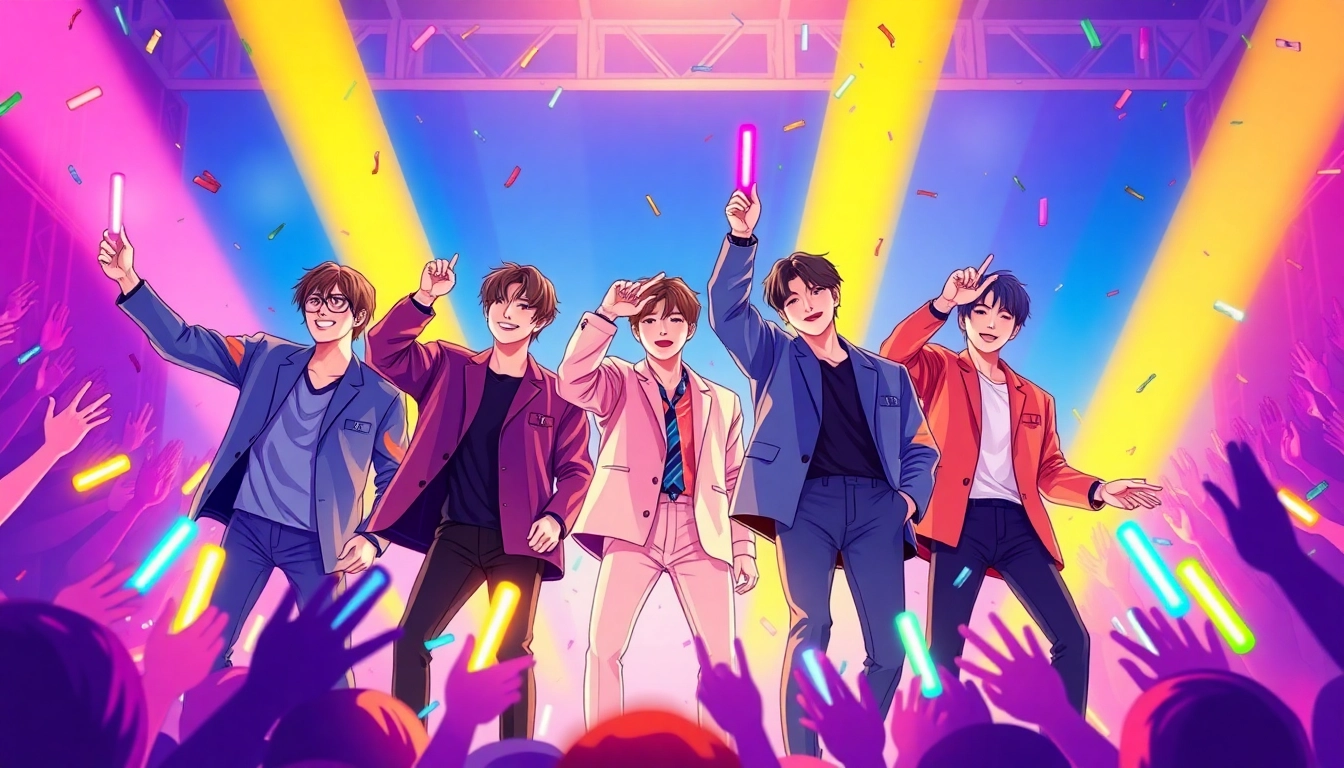
Introduction to BTS Members
BTS, also known as the Bangtan Boys, is a cultural phenomenon that has transformed the music industry since their debut in 2013. Comprised of bts members—RM, Jin, Suga, J-Hope, Jimin, V, and Jung Kook—the group has made significant strides in both their native South Korea and abroad. Their unique blend of musical styles, powerful lyrics, and dedicated fan base has positioned them as one of the most influential boy bands in the world.
The Formation of BTS
BTS was formed under Big Hit Entertainment, now known as HYBE, in 2010, initially as a hip-hop group. The original lineup saw changes before the final group was solidified in 2013. The inclusion of members with diverse backgrounds not only brought different musical styles but also fostered varied perspectives that resonate in their music. For instance, RM, the leader, was already an established underground rapper, which significantly shaped BTS’s early sound.
The Impact of BTS on Global Music
Since their debut, BTS has shattered records across various platforms, including Billboard charts and YouTube view counts. Their ability to connect culturally and linguistically with a global audience is unmatched. The release of their hit song “Dynamite” marked a historic moment as it became their first all-English single to top the Billboard Hot 100 chart. The success of BTS has prompted other K-Pop acts to explore international markets, leading to a broader acceptance of non-English music in mainstream channels.
Understanding BTS as a Cultural Phenomenon
BTS transcends mere musical success; they are cultural icons. Their lyrics tackle issues of mental health, self-love, and societal expectations, resonating deeply with the youth. Additionally, BTS’s presence in social justice causes, such as their partnership with UNICEF for the “Love Myself” campaign, highlights their commitment to using their platform for positive change. This combination of music, activism, and relatability solidifies their role as agents of cultural progress.
Individual Profiles of BTS Members
Overview of Each Member
Each member of BTS brings something unique to the table. Understanding their individual profiles gives deeper insight into the group’s dynamic and success:
- RM (Kim Nam-joon): The leader known for his profound songwriting and leadership qualities. RM is fluent in English and often engages with international media.
- Jin (Kim Seok-jin): The oldest member, recognized for his vocal skills and height, often termed the “Worldwide Handsome.”
- Suga (Min Yoon-gi): A talented producer and rapper who often shares his autobiographical experiences in his lyrics.
- J-Hope (Jung Ho-seok): The energetic dancer and rapper known for his optimistic demeanor and dance skills.
- Jimin (Park Ji-min): Renowned for his vocals and dance ability, Jimin also brings a charismatic and emotional presence to the group.
- V (Kim Tae-hyung): Known for his unique voice and artistry in music videos, V’s individuality shines through both his music and fashion.
- Jung Kook (Jeon Jung-kook): The youngest member, often referred to as the “Golden Maknae” for his diverse talents in singing, dancing, and even sports.
Unique Contributions to the Group
Each member’s unique skills and experiences contribute significantly to BTS’s sound and identity. RM’s leadership and deep artistic vision guide the group, while Suga’s production skills bring innovative elements to their music. J-Hope’s choreography elevates their performances, making them visually captivating. Jimin and V provide emotional depth with their expressive performances, and Jung Kook’s versatility ensures the group maintains a youthful edge. Each contribution is integral to their collective success.
Recent Projects and Solo Activities
During their temporary hiatus from group activities, individual members have actively pursued solo projects. RM released his solo album, showcasing his introspective side, while Suga, under his alias Agust D, explored personal themes in his music. J-Hope’s solo work emphasized his dance roots and showcased his artistry. Jimin and V have also engaged in projects that spotlight their distinct musical styles. Jung Kook’s forays into solo performances have underscored his star power, contributing to the members’ overall success and exposure.
The Musical Contributions of BTS Members
Songwriting and Production Roles
BTS is known for their complex narratives and innovative sounds, largely because they actively participate in songwriting and production. Notably, RM, Suga, and J-Hope contribute extensively to the composition of their songs. This level of involvement not only sets them apart in the entertainment industry but fosters a deeper connection with their audience, as they address topics ranging from love to social issues in their lyrics.
Signature Styles and Genres
BTS’s music spans various genres, including K-pop, hip-hop, R&B, and EDM. This diverse sound palette allows them to reach a wide audience. Their experimentation with different styles, combined with their strong narratives, creates an audio experience that is both engaging and thought-provoking. Songs like “Blood Sweat & Tears” showcase their ability to blend emotional lyrics with eclectic sounds that keep fans captivated.
Collaboration with Other Artists
BTS has collaborated with numerous international artists, further evidencing their widespread appeal and adaptability. Collaborations with artists from different genres, such as Halsey, Ed Sheeran, and Coldplay, enrich their musical diversity and broaden their reach. These partnerships not only produce commercial hits but also introduce BTS to new fan bases, emphasizing their role as cultural ambassadors in an increasingly globalized music scene.
Fan Base and Community Engagement
The ARMY: BTS’s Dedicated Support System
The fandom, known as ARMY, is as much a part of BTS’s identity as the members themselves. ARMY’s incredible unity, passion, and support for the group has created a community that spans the globe. BTS actively engages with their fans through social media, live streams, and fan events, highlighting the symbiotic relationship they have with ARMY and reinforcing the idea that they are all part of a larger family.
Fan Interaction and BTS Members’ Influence
BTS members frequently communicate with their fans, nurturing a connection that transcends typical artist-fan dynamics. They share personal stories, behind-the-scenes content, and even respond to ARMY on social media platforms, making fans feel valued. This interaction fosters loyalty and enhances the overall fan experience, proving that genuine connection is a crucial element of their brand.
Social Media Presence of BTS Members
In today’s digital age, BTS’s presence on various social media platforms reinforces their influence and accessibility. They use platforms like Twitter, Instagram, and TikTok to share everything from promotional content to candid moments. This engagement not only helps maintain their visibility but also allows them to personalize their interactions, further strengthening their bond with fans. The members’ charisma coupled with their digital savvy contributes significantly to their sustained relevance.
The Future of BTS Members
Upcoming Releases and Projects
BTS has hinted at upcoming projects that promise to showcase their evolution as both a group and as individual artists. As each member explores solo endeavors, anticipation grows for how they will incorporate their personal experiences into future group albums. The versatility of their music suggests that fans can expect fresh sounds and thematic explorations that align with contemporary issues.
Influence on the Future of K-Pop
BTS’s success has paved the way for many K-Pop acts, encouraging a new wave of international artists to try their hand at crossing cultural boundaries. Their commitment to authenticity and global engagement sets a precedent for future K-Pop groups, emphasizing the importance of storytelling and relatable content. As the industry evolves, BTS will likely remain a benchmark for excellence, shaping the next generation of artists.
Speculations and Hopes for the Group’s Direction
The future of BTS is subject to much speculation, particularly considering their recent military service obligations. As all seven members are now back together, fans eagerly anticipate their next move. Hopes for a forthcoming group comeback suggest a new era where BTS continues to challenge societal norms and push creative boundaries. Fan theories abound, illustrating the group’s profound impact and the high expectations surrounding their future projects.
Frequently Asked Questions
1. How many BTS members are there?
BTS consists of seven members: RM, Jin, Suga, J-Hope, Jimin, V, and Jung Kook.
2. What is the role of RM in BTS?
RM is the leader of BTS, known for his songwriting, rapping, and ability to communicate fluently in English, helping the group engage with international audiences.
3. What genres do BTS explore in their music?
BTS’s music encompasses various genres including pop, hip-hop, R&B, and EDM, often blending elements to create a unique sound.
4. What kind of themes do BTS lyrics often cover?
BTS’s lyrics frequently explore themes of youth, mental health, self-love, and societal pressures, resonating strongly with their audience.
5. How does BTS engage with their fanbase?
BTS engages with their fans, known as ARMY, through social media, live performances, and personal communication, fostering a close-knit community.