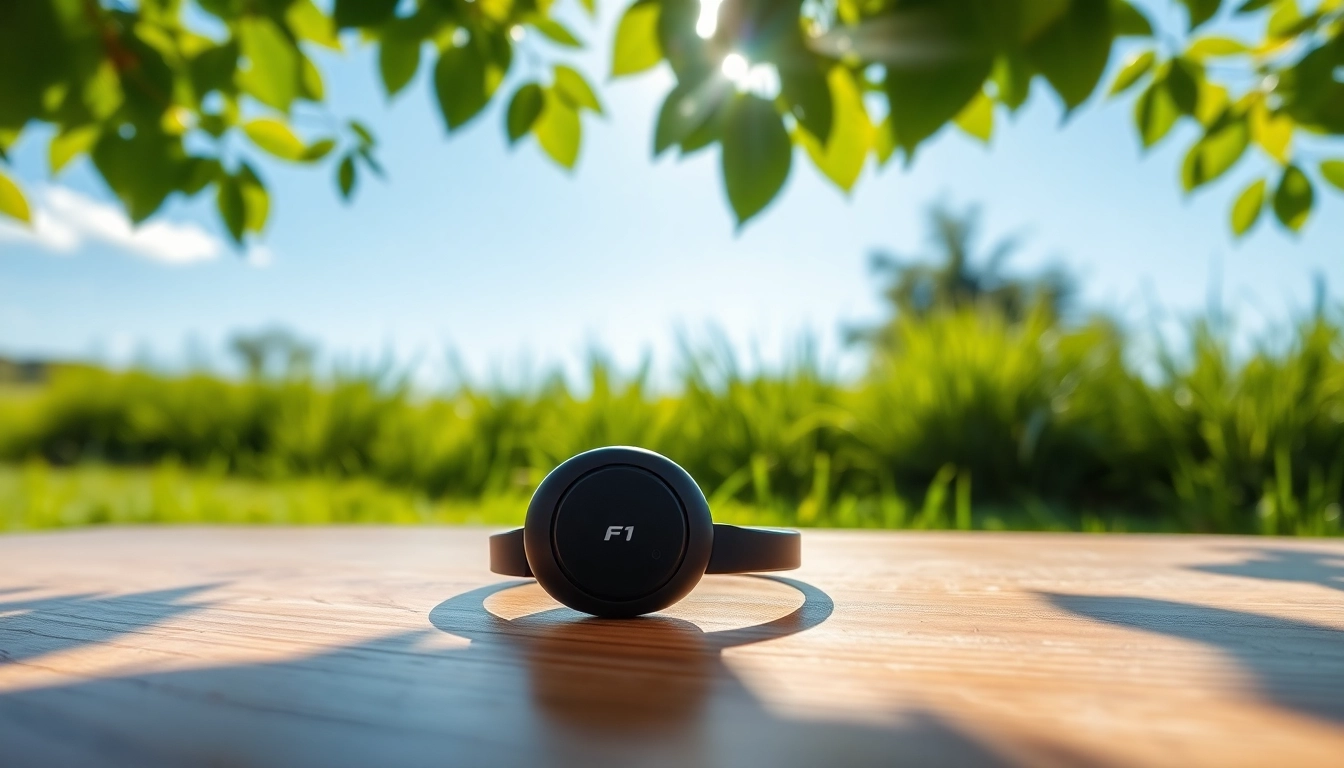
Understanding F1 Bone Conduction Headphones
The world of audio technology has witnessed numerous innovations over the years, but few have transformed the listening experience as dramatically as bone conduction headphones. Among these, the F1 Bone Conduction Headphones stand out, blending comfort with unique sound delivery. This article will delve into what these headphones are, how they operate, their benefits, and much more, offering insights that can help you make the best choice for your listening needs.
What Are Bone Conduction Headphones?
Bone conduction headphones utilize a distinct technology that allows sound to travel through the bones of the skull, directly stimulating the inner ear. Unlike traditional headphones that cover or insert into the ear canal, bone conduction headphones allow users to hear ambient sounds while enjoying their music or audio, making them ideal for various activities, including sports and driving.
How Do F1 Bone Conduction Headphones Work?
The operation of F1 Bone Conduction Headphones hinges on a process known as vibrations. Instead of using air to transmit sound, these headphones convert audio signals into mechanical vibrations, which are then conveyed through the cheekbones or temples. Once these vibrations reach the cochlea in the inner ear, they are interpreted as sound. This technology not only offers an alternative listening experience but is also beneficial for individuals with hearing impairments in certain frequencies.
Benefits of Using F1 Bone Conduction Headphones
The benefits of F1 Bone Conduction Headphones extend beyond their unique sound delivery. Some notable advantages include:
- Awareness of Surroundings: Since they don’t cover the ears, users can remain aware of their surroundings, which is crucial for athletes and those commuting.
- Comfort: Their lightweight design and open-ear structure provide comfort, even during extended use, making them suitable for various activities.
- Health Benefits: They can be a safer option for those with sensitive ears or conditions like earwax buildup.
Choosing the Right Features
Sound Quality Considerations
When selecting bone conduction headphones, sound quality remains a central concern. Although bone conduction technology impacts sound delivery, newer models like the F1 have made significant strides in sound fidelity. Key factors include:
- Frequency Response: Ensuring the headphones cover a wide frequency range enhances music listening experiences.
- Volume Levels: Users should look for headphones that can deliver sufficient volume without distortion.
Durability and Design Factors
Durability and design are critical in choosing the right headphones, especially for active users. The F1 Bone Conduction Headphones are often crafted from lightweight yet sturdy materials, ensuring they withstand physical stress while remaining comfortable. Considerations include:
- Material Quality: High-quality materials prevent wear and contribute to longevity.
- Water Resistance: Ideal for fitness enthusiasts, finding headphones with adequate water resistance can be beneficial.
Connectivity Options for F1 Bone Conduction Headphones
Bluetooth connectivity is standard for modern headphones, but compatibility with various devices is crucial. The F1 Bone Conduction Headphones generally support multiple Bluetooth versions, allowing for smooth pairing with smartphones, tablets, and computers. Look for features like:
- Range: A longer Bluetooth range can enhance usability, especially in outdoor settings.
- Multi-Device Connectivity: This feature allows users to connect multiple devices simultaneously, enhancing versatility.
Using F1 Bone Conduction Headphones in Various Situations
Best Uses for Sports and Fitness
Bone conduction headphones excel in fitness environments, especially for runners and cyclists. The F1 model allows users to listen to their favorite playlists or podcasts while remaining aware of traffic and other hazards. This awareness is invaluable for personal safety, and many athletes prefer them for this reason.
Using Headphones While Driving
For drivers, the open-ear design of F1 Bone Conduction Headphones provides an excellent listening experience without compromising safety. Drivers can easily stay connected to GPS prompts and announcements while enjoying music, striking the perfect balance between entertainment and alertness.
Listening at Home or in the Office
At home or in a work environment, these headphones can be a game-changer, allowing users to multi-task seamlessly. Users can engage in conference calls or listen to relaxing music without entirely blocking external sounds, preserving the flow of communication with colleagues.
Maintenance Tips for Longevity
Cleaning Your F1 Bone Conduction Headphones
Maintaining cleanliness is vital for preserving sound quality and hygiene. Regularly wipe down the surfaces with a soft, dry cloth to remove sweat and dirt. Avoid submerging them in water and use gentle cleaning solutions if necessary.
How to Store Headphones Properly
Proper storage can dramatically extend the lifespan of your headphones. When not in use, store the F1 Bone Conduction Headphones in a protective case to prevent physical damage. Keep them in a cool, dry place away from direct sunlight to avoid deterioration of materials.
Common Issues and Troubleshooting
Users may encounter problems like connectivity issues or poor sound quality. Common troubleshooting steps include:
- Resetting the Device: If experiencing connection problems, a reset usually resolves the issue.
- Checking Battery Levels: Low power can lead to sound dropouts, so regular charging is crucial.
Frequently Asked Questions About F1 Bone Conduction Headphones
Can I use F1 Bone Conduction Headphones for swimming?
F1 Bone Conduction Headphones are not waterproof, making them unsuitable for swimming.
Are F1 Bone Conduction Headphones comfortable for long use?
Yes, their lightweight design ensures comfort for extended periods, making them ideal for active users.
How do F1 Bone Conduction Headphones compare to regular headphones?
They transmit sound through bones, allowing you to hear ambient sounds, unlike regular headphones that block them.
Do F1 Bone Conduction Headphones work with all devices?
Generally, they are compatible with most Bluetooth-enabled devices, though some features may vary.
Can I wear F1 Bone Conduction Headphones with glasses?
Yes, their design allows for comfort while wearing glasses, providing a secure fit without pressure points.