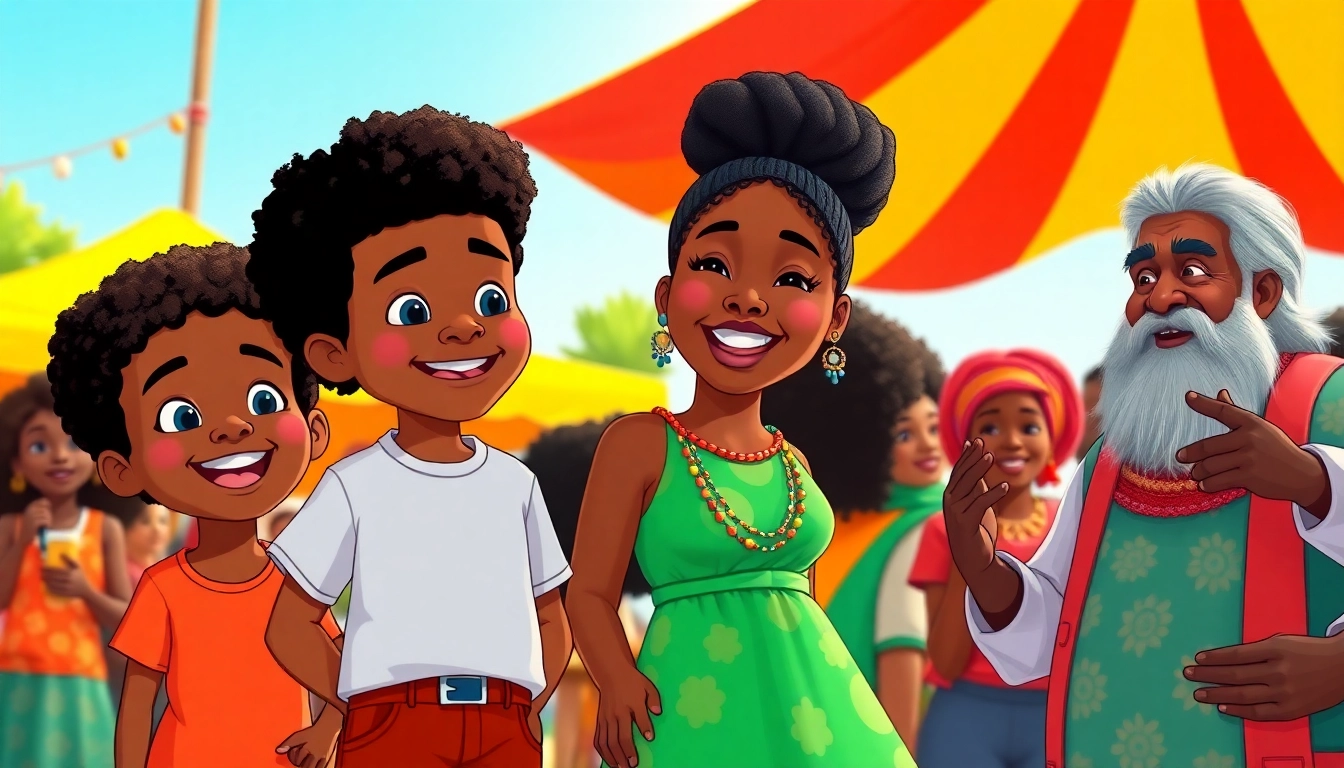
The Impact of African American Cartoons on Culture
African American cartoons have transcended mere entertainment, emerging as powerful cultural artifacts that reflect the nuances of the African American experience. These animated stories not only entertain but also educate, challenge societal norms, and promote representation. As we delve into the evolution of African American cartoons, we will explore their historical significance, the vital role they play in promoting diversity, and the influential creators behind these beloved characters. When exploring options, African American Cartoons provide comprehensive insights into how these stories have changed over the decades.
Historical Significance and Evolution
The journey of African American cartoons can be traced back to the mid-20th century, a period marked by significant social change and civil rights activism. Early animations often portrayed African Americans in stereotypical roles, reinforcing negative societal perceptions. However, as attitudes began to shift, so did the portrayal of black characters in media. The 1970s saw the birth of characters that broke these molds, notably in shows like “Fat Albert and the Cosby Kids,” which highlighted black youth culture and community life.
In the late 1990s and early 2000s, the landscape of African American animation transformed dramatically. Shows like “The Boondocks,” created by Aaron McGruder, challenged the status quo with sharp social commentary and humor, appealing to both black and non-black audiences alike. This evolution illustrates a broader shift towards authenticity and complexity in the representation of African American identities.
Representation and Diversity in Animation
Diversity in animation is crucial for fostering empathy and understanding among different cultural groups. African American cartoons play a pivotal role in this dialogue, offering stories that resonate with their audience’s experiences while also educating others. Cartoons that showcase African American culture contribute to a sense of pride and belonging, particularly among younger generations.
Representation extends beyond just visible characters; it also encompasses the stories, themes, and cultural contexts presented in these animations. Shows like “The Proud Family” and “Doc McStuffins” have successfully incorporated cultural nuances that reflect the African American community’s richness, thus influencing children’s perceptions of their own identities and those of others.
Influential Creators and Their Contributions
Behind the success of African American cartoons lie the visionary creators who have devoted their talents to revolutionizing the industry. Noteworthy figures such as Bruce W. Smith, creator of “The Proud Family,” and Aaron McGruder have paved the way for future generations of animators. These creators have not only shaped popular culture but also inspired young black artists to pursue careers in animation and storytelling.
Moreover, the contributions of black animators extend beyond creation; they often involve cultural consultation to ensure that the narratives presented are both authentic and respectful. This engagement fosters a richer portrayal of the African American experience, ensuring that these stories resonate with audiences worldwide.
Top African American Cartoons for All Ages
Classics That Shaped Generations
Several iconic African American cartoons have left an indelible mark on the animation landscape. “Fat Albert and the Cosby Kids,” for instance, presented relatable stories centered on youth and friendship, drawing from the experiences of Bill Cosby’s own childhood. It’s an example of how animation can provide both entertainment and moral lessons.
Another classic, “The Boondocks,” has been celebrated for its bold narrative and insightful social commentary, making it a cultural touchstone for discussions surrounding race and identity. These shows not only entertained but also educated audiences on significant cultural themes, ensuring their place in television history.
Recent Additions to the Genre
As we progress into the 2020s, the animation industry continues to evolve, with new entries that highlight diverse voices and stories. “Black Panther: Wakanda Forever – The Animated Series,” based on the iconic Marvel franchise, promises to deliver narratives that align with the growing appreciation for African American heroes in contemporary media.
Another noteworthy mention is “Craig of the Creek,” which has gained acclaim for its portrayal of childhood in a diverse neighborhood, emphasizing friendship, adventure, and community across various cultural backgrounds.
Cartoons for Kids: Teaching Values and Culture
Children’s programming plays a crucial role in shaping young minds, and African American cartoons have been at the forefront of teaching values embedded in culture. “Doc McStuffins,” for example, showcases a young black girl pursuing her dream of becoming a doctor, encouraging children to aspire beyond societal expectations.
Other shows, like “Motown Magic,” use music and storytelling to familiarize children with the legacy of African American culture, incorporating classic Motown songs and positive moral lessons in an entertaining format. Through such narratives, these cartoons teach resilience, empathy, and the importance of cultural heritage.
Breaking Stereotypes: The Power of Positive Representation
How Cartoons Challenge Norms
African American cartoons are instrumental in breaking down harmful stereotypes that have long plagued the animation industry. By presenting characters with depth and complexity, these animations challenge the one-dimensional portrayals often seen in mainstream media.
Shows like “The Proud Family” confront issues related to racism, family dynamics, and community bonds while incorporating humor and warmth. This approach not only entertains but also serves as a catalyst for important conversations about identity and social issues.
Success Stories of Iconic Characters
Characters like Huey and Riley Freeman from “The Boondocks” have become cultural icons, representing the diverse perspectives within the African American community. Their nuanced portrayals allow viewers to grapple with complex societal themes, making their stories relatable and thought-provoking.
Similarly, Frozone from the “Incredibles” saga showcases a black superhero as a family man, challenging the typical archetype of heroes, and affirming that strength comes in many forms, including vulnerability and love.
The Role of Humor in Social Commentary
Humor is a powerful tool in animation, particularly within African American cartoons. By weaving humor into serious issues, shows can address racism, inequality, and other societal challenges while keeping audiences engaged. This duality creates space for thoughtful reflection, allowing viewers to learn while they laugh.
Through satirical commentary, cartoons like “The Boondocks” highlight the absurdities of racism and cultural stereotypes, crafting narratives that encourage audiences to question the status quo. This blend of humor and critique is essential for sparking dialogue and fostering understanding.
Behind the Scenes: Creating African American Cartoons
Animation Techniques and Approaches
The animation process for African American cartoons often incorporates traditional techniques blended with modern technology. From hand-drawn artistry to CGI, animators are harnessing various tools to bring rich cultural stories to life. This blend not only enhances visual storytelling but also allows for more creative freedom in expressing cultural nuances.
Additionally, the rise of digital platforms has led to more diverse storytelling methods, enabling creators to experiment with formats and narratives that would have been less feasible in traditional media.
Collaboration with Cultural Experts
To authenticate the portrayal of African American culture, many animation studios are collaborating with cultural experts, historians, and community leaders. This collaboration ensures that the narratives are not only entertaining but also respectful and reflective of real experiences.
Such collaborations have become standard practice, guiding the character development process and narrative arcs to align with the cultural authenticity that audiences crave.
Future Innovations in Storytelling
The future of African American cartoons looks promising, with innovations poised to take storytelling to new heights. Emerging technologies like virtual reality and augmented reality are paving the way for more immersive storytelling experiences that engage viewers in unprecedented ways.
As creators continue to explore various narrative forms, we can expect to see an even broader range of stories that reflect the diverse experiences within the African American community, ensuring that future generations have rich cultural narratives to engage with.
Engaging Audiences: The Future of African American Cartoons
Trends to Watch in 2026
As we look ahead to 2026, several trends are emerging in the realm of African American cartoons. Increased representation in writing rooms and animation studios is spearheading new narratives that uplift black voices while promoting inclusivity across the board.
Moreover, the demand for authentic storytelling continues to fuel the rise of independent creators, who are harnessing platforms like YouTube and streaming services to share their unique perspectives, further enriching the landscape of African American animation.
Interactive Media and Viewer Engagement
The integration of interactive media is transforming how viewers engage with African American cartoons. Platforms that allow audience interaction deepen viewers’ connections to characters and stories, fostering a participatory culture. This trend is particularly appealing to younger audiences, ensuring that animation remains relevant and engaging.
The Global Influence of African American Animation
Finally, the global impact of African American cartoons cannot be understated. As these narratives gain international acclaim, they inspire a broader dialogue about diversity and representation in animation worldwide. Global audiences are embracing these stories, recognizing their universal themes of resilience, joy, and community, which transcends cultural boundaries.
In conclusion, the realm of African American cartoons continues to evolve, shaping culture, breaking stereotypes, and inspiring change. As representation grows and new stories are told, the impact of these cartoons will undoubtedly resonate with audiences for generations to come.