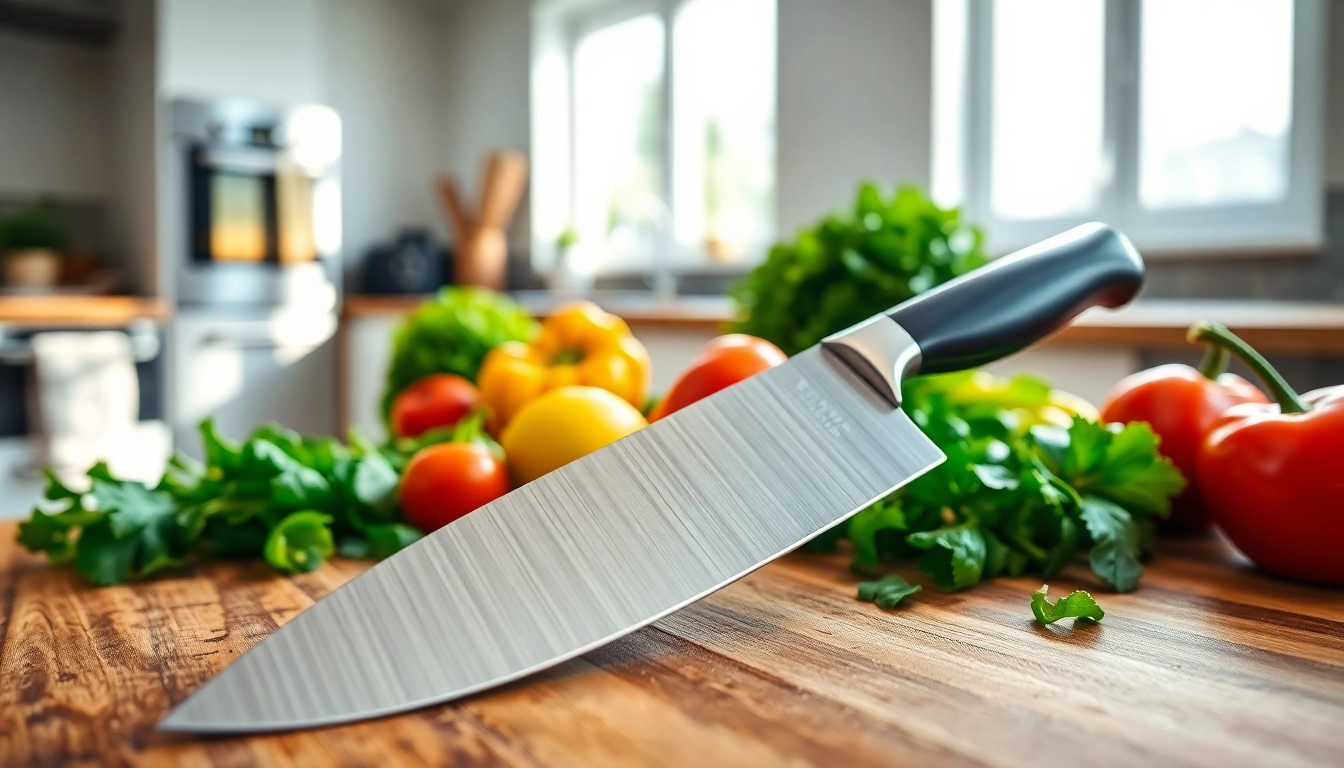
Understanding Chef’s Knives
What is a Chef’s Knife?
A chef's knife, often considered the workhorse of the kitchen, is a versatile tool designed for various cutting tasks. Generally characterized by a broad, tapered blade, the standard length ranges between 6 to 12 inches. Its versatility makes it suitable for chopping, slicing, dicing, and mincing, fulfilling multiple functions without the need for an extensive knife collection.
The Importance of a Quality Chef’s Knife
Investing in a quality chef's knife can dramatically elevate your cooking experience. A well-balanced knife enhances precision, ensuring that your cuts are accurate and safe. Quality knives maintain their sharpness longer, reducing the frequency of sharpening and allowing for smoother, more efficient cutting. Ultimately, a good knife not only offers comfort but also encourages culinary creativity and efficiency in the kitchen. For those looking to enhance their cooking skills further, understanding how to choose a chef’s knife is crucial.
Common Uses of a Chef’s Knife
The versatility of a chef's knife is evident in its numerous applications. Whether you're finely chopping onions, dicing tomatoes, or slicing through a piece of meat, this knife can handle it all. Furthermore, it is equally effective for delicate tasks like mincing garlic or herbs. Its design allows chefs to perform a variety of functions without needing multiple knives, ultimately maximizing efficiency in your cooking endeavors.
Key Features to Consider
The Material of the Blade
The blade's material significantly influences its performance and durability. Common materials include stainless steel, high-carbon steel, and ceramic. Stainless steel is known for its resistance to rust and stains, while high-carbon steel offers exceptional sharpness and edge retention but requires more maintenance. Ceramic blades, on the other hand, are lightweight and maintain their sharpness longer but can be brittle. Choosing the right blade material is essential for achieving the ideal balance of sharpness, durability, and maintenance.
The Weight and Balance
Weight and balance are crucial when selecting a chef's knife. A well-balanced knife feels comfortable in hand and allows for better control during cuts. Heavier knives are preferred for tougher materials, while lighter knives might be suitable for detailed work. Holding the knife and assessing its balance near the blade and handle area is essential before making a final decision.
Grip Comfort and Handle Design
The handle's design and comfort play a pivotal role in your overall cutting experience. Handles made from materials like wood, plastic, or composite can provide varying levels of comfort and grip. Ergonomic designs that fit the contours of the hand can reduce fatigue during prolonged use. It's essential to ensure a secure grip to prevent any accidents while cutting.
Types of Chef’s Knives
Stamped vs. Forged Knives
When selecting a chef's knife, understanding the difference between stamped and forged knives is pivotal. Stamped knives are cut from a sheet of steel and tend to be lighter and less expensive. Conversely, forged knives are created through a process of heating and shaping the steel, resulting in a more durable and robust blade. Forged knives typically have better weight distribution and balance, making them a popular choice among professional chefs.
Different Blade Shapes and Sizes
Chef's knives come in various blade shapes and sizes, catering to different cutting techniques. A traditional French-style chef’s knife features a curved blade for rocking cuts, while the Japanese gyuto offers a flat edge for precision slicing. Blade size can also affect performance; larger blades can handle larger ingredients but may be cumbersome for smaller tasks. Understanding your cooking style will help in choosing the right blade shape and size.
Specialty Chef’s Knives
Beyond the standard chef’s knife, there are specialty versions designed for specific tasks. For example, a santoku knife features a shorter, wider blade with a granton edge to reduce drag when cutting. A petty knife, which is essentially a smaller paring knife, is useful for detailed work like peeling or trimming herbs. Choosing a specialty knife that complements your chef’s knife can enhance your culinary repertoire.
Choosing the Right Chef’s Knife for You
Considerations for Beginners
For beginners, selecting a beginner-friendly chef's knife can be daunting. It’s advisable to start with a lightweight knife that offers a comfortable grip. A blade length of 8 inches is commonly recommended as it balances versatility with manageability. Focus on ease of use and maintenance, as developing good knife skills early can lead to a more enjoyable cooking experience.
How to Test a Knife Before Buying
Testing a knife before purchasing is essential to ensure it meets your requirements. Visit a kitchen supply store where you can hold various knives to gauge their weight, balance, and grip. Cutting through food samples can provide insight into sharpness and ease of use. Pay attention to how the knife feels in various cutting motions to ensure it fits your cooking style.
Budgeting for a Chef’s Knife
Budget is a critical factor when selecting a chef’s knife. Quality chef's knives can vary widely in price, typically ranging from affordable options to high-end models. While it's tempting to opt for the cheapest option, investing in a quality knife can yield better long-term results, reducing the need for replacements. Set a budget that balances quality and affordability to get the best value for your needs.
Maintaining Your Chef’s Knife
How to Sharpen a Chef’s Knife
Proper maintenance is integral to preserving the longevity and cutting efficiency of your chef's knife. Regular sharpening is essential to maintain a keen edge. Whether you use a whetstone, honing rod, or sharpening tool, ensure you understand the correct techniques to avoid damaging the blade. A well-maintained knife should slice effortlessly through ingredients without requiring excessive force.
Storing Your Chef’s Knife Safely
Safekeeping a chef’s knife is vital to prevent dullness and potential accidents. Avoid keeping knives in drawers, where they can bump against other cutlery, leading to dull edges and unwanted injuries. Instead, opt for knife blocks, magnetic strips, or blade guards that offer protection and keep your knife easily accessible and safe.
Common Care Mistakes to Avoid
Common care mistakes include washing knives in a dishwasher, using them on hard surfaces, or storing them improperly. Dishwashing can damage the knife handle and dull the blade over time. Always hand-wash and dry your knife immediately after use. Additionally, using a cutting board made of soft materials like wood or plastic will keep the blade sharp for longer.
Frequently Asked Questions About Chef’s Knives
1. What size chef's knife is best for beginners?
A standard size of 8 inches is ideal for beginners as it offers versatility and ease of handling for various tasks in the kitchen.
2. How often should I sharpen my chef's knife?
Sharpening depends on usage, but generally, you should hone your knife after every few uses and sharpen it every few months for optimal performance.
3. Can I put my chef's knife in the dishwasher?
It's not recommended to wash chef's knives in a dishwasher as the heat and moisture can damage the blade and handle. Handwashing is preferred.
4. Is a heavier chef's knife better?
Heavier knives can provide more force for cutting through tough materials but may lead to fatigue. The best knife is one that balances weight and comfort for your personal use.
5. What’s the difference between a forged and stamped chef's knife?
Forged knives are made from heated steel, providing superior durability and balance, while stamped knives are lighter and usually less expensive, made by cutting from steel sheets.