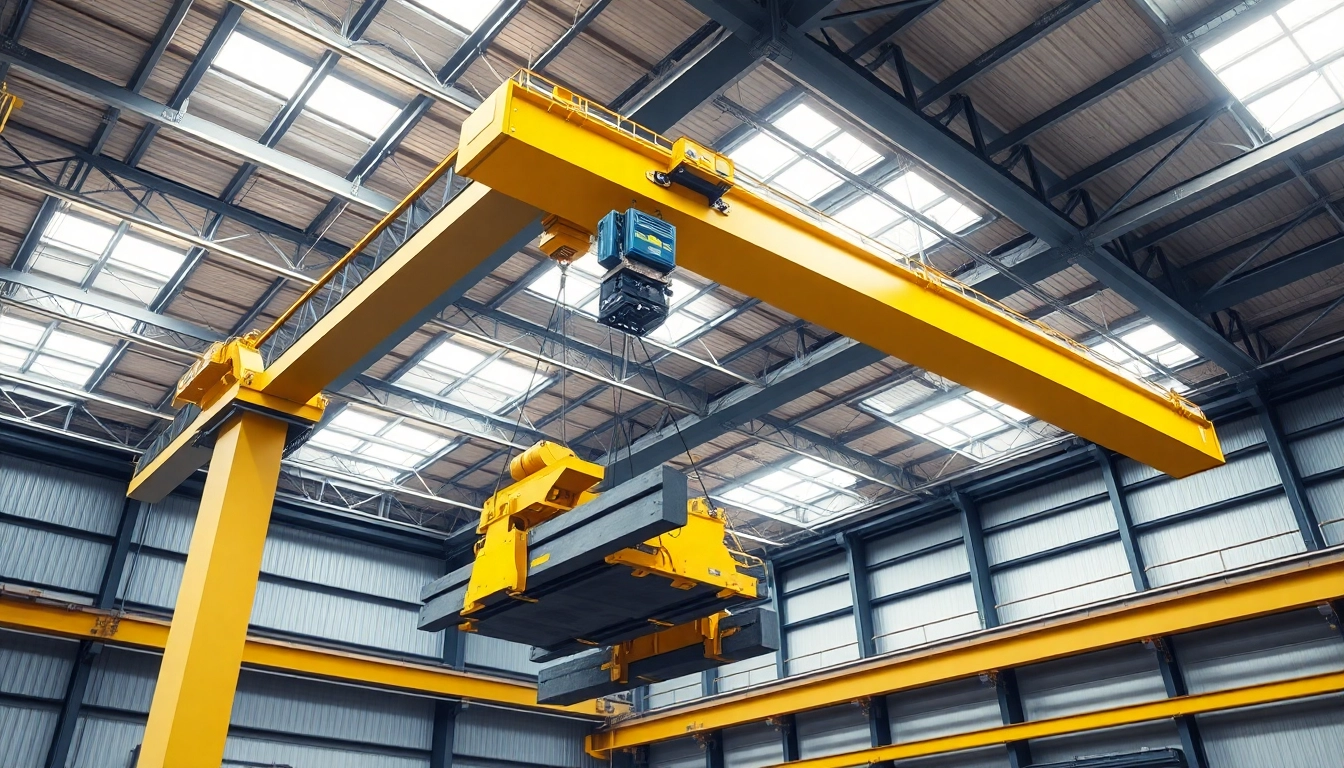
Understanding the Basics of Bridge Cranes
The landscape of industrial lifting applications has evolved remarkably over the years, and at the forefront of this evolution is the bridge crane. Commonly utilized in manufacturing, warehousing, and construction environments, a bridge crane combines efficiency with versatility, making it an essential tool for lifting heavy loads with precision. Understanding the core functionalities and components of these systems is crucial for businesses aiming to enhance their operational efficiency and safety protocols.
What is a Bridge Crane? Key Features and Components
A bridge crane, often referred to as an overhead crane, consists of a horizontal bridge structure that spans the width of a facility. This structure is supported by end trucks that travel along two parallel runways, allowing the crane to move back and forth. The key components include:
- Bridge Beam: The main horizontal component that supports the hoist and enables load movement.
- Runways: The tracks on which the bridge travels, typically installed parallel to walls on either side of the work area.
- Hoist: A device used for lifting and lowering loads vertically, often equipped with various lifting mechanisms.
- Controls: Systems for operating the crane, often featuring manual or automated control methods.
These features enable bridge cranes to handle varying weights and sizes of loads, with options for both single and double girder configurations, accommodating diverse industrial needs.
Types of Bridge Cranes: A Comparison of Styles
Bridge cranes can be classified into several categories based on design and application, including:
- Single Girder Bridge Cranes: Lightweight and cost-effective, ideal for lighter loads and smaller workspaces.
- Double Girder Bridge Cranes: Designed for heavy-duty operations, these cranes offer greater height and lifting capacities.
- Top Running Cranes: Featuring wheels on top of the girder, these cranes maximize headroom and are suitable for larger spans.
- Under Running Cranes: Also known as “underslung” cranes, these are mounted from the ceiling and are ideal for facilities with limited floor space.
Understanding these types helps facilities select the most appropriate crane system for their lifting tasks, ensuring both safety and efficiency in material handling.
Benefits of Using a Bridge Crane in Industrial Settings
The advantages of implementing bridge cranes in industrial operations are numerous:
- Increased Efficiency: Bridge cranes streamline operations by facilitating quick and easy lifting and transporting of heavy materials across workspaces.
- Enhanced Safety: Properly operated bridge cranes reduce the risk of injuries associated with manual lifting and handling.
- Space Optimization: The overhead design of bridge cranes minimizes floor space usage, allowing for more efficient layout of workstations and storage areas.
- Flexibility: These cranes can be customized to fit specific facility needs, including hoist types and lifting capacities.
Ultimately, the integration of bridge cranes not only boosts productivity but also enhances workplace safety and ergonomics.
Bridge Crane Safety: Best Practices
With the substantial weight capacities of bridge cranes, ensuring operational safety is paramount. Understanding potential hazards and implementing robust safety practices can mitigate risks significantly.
Common Safety Hazards in Bridge Crane Operations
Operators must be aware of the following common hazards while using bridge cranes:
- Overloading: Exceeding the crane's weight limit can lead to equipment failure and accidents.
- Improper Use of Controls: Inaccurate operation can cause abrupt movements, risking operator and bystander safety.
- Environmental Factors: Conditions such as wind, rain, or poor visibility can impact crane operations, particularly for outdoor use.
- Inadequate Training: Operators lacking proper training may not recognize potential risks, increasing the chances of accidents.
Implementing Safety Protocols and Training
To minimize risks, facilities should implement comprehensive safety protocols, including:
- Regular Training: Conduct ongoing training sessions for operators to familiarize them with equipment, control systems, and safety protocols.
- Safety Inspections: Regular inspection of cranes and lifting equipment is crucial to ensure they are in good working condition.
- Clear Signage: Display safety signage around crane operating areas to remind personnel of safety practices.
- Emergency Procedures: Establish clear emergency procedures in case of equipment failure or accidents.
Through training and adherence to safety protocols, facilities can significantly enhance their operational safety when utilizing bridge cranes.
Maintenance and Inspection: Ensuring Operational Safety
Routine maintenance is crucial for the longevity and safe operation of bridge cranes. Establishing a schedule for inspections can help identify potential issues before they become serious problems:
- Daily Checks: Inspect hoists, hooks, and other components for signs of wear and tear before each use.
- Monthly Inspections: Conduct more thorough inspections of all crane systems, including brakes, controls, and structural integrity.
- Annual Maintenance: Schedule comprehensive maintenance with a qualified technician to ensure all components function optimally.
By prioritizing maintenance, facilities can ensure their bridge cranes operate safely and effectively, extending the equipment's lifespan and performance.
Choosing the Right Bridge Crane for Your Facility
Before purchasing a bridge crane, it’s vital to assess your facility's specific needs. A comprehensive understanding of operational requirements will guide your selection process.
Key Considerations When Selecting a Bridge Crane
When evaluating potential cranes, consider the following factors:
- Load Capacity: Define the maximum weight the crane will need to lift to ensure the chosen crane meets operational demands.
- Span Length: Measure the distance between runways to ascertain the necessary span for effective load movement.
- Headroom: Assess the vertical clearance available to determine if an under-running or top-running crane is more appropriate.
- Frequency of Use: Evaluate how often the crane will be used, as this will influence the durability and design required.
Evaluating Capacity and Span Requirements
Determining the optimal capacity and span is crucial for operational efficiency. To do this:
- Perform a detailed analysis of the materials to be lifted and their weights.
- Consider future needs as well as current operations, ensuring the crane can accommodate potential expansions.
- Consult with suppliers or specialists who can provide recommendations based on industry standards and specific applications.
Cost Factors and Budgeting for Your Bridge Crane Purchase
When budgeting for a bridge crane, consider the following cost factors:
- Initial Purchase Price: Determine the upfront costs based on the type and specifications of the crane.
- Installation Costs: Account for expenses related to the setup and commissioning of the crane within your facility.
- Maintenance Expenses: Factor in long-term maintenance and potential repair costs for the crane’s lifespan.
- Training Costs: Budget for operator training sessions to ensure safe and effective crane operation.
By considering these costs, facilities can make informed financial decisions that align with their operational needs.
Bridge Crane Implementation: From Planning to Deployment
Successfully implementing a bridge crane requires careful planning and execution. Understanding the steps involved can streamline the process.
Steps for Installing Your Bridge Crane Effectively
Follow these steps for a successful installation process:
- Site Assessment: Conduct a detailed assessment of the installation site, including measurements and obstacle identification.
- Design Verification: Review the crane design and specifications to ensure they align with site conditions and operational requirements.
- Professional Installation: Engage qualified professionals for the installation process to guarantee compliance with safety standards.
- Testing: After installation, conduct thorough testing of the crane’s operation to ensure it performs as expected.
Real-world Case Studies: Successful Bridge Crane Installations
Examining successful implementations can provide valuable insights. For example, a manufacturing facility recently upgraded to a double girder bridge crane, resulting in:
- A 30% increase in load handling efficiency
- Enhanced safety due to improved operator training and equipment reliability
- Cost savings in labor due to reduced time spent on manual lifting
As demonstrated, the right bridge crane can significantly enhance operational capabilities across various industries.
Tips for Smooth Operations Post-Installation
After installation, consider these best practices for maintaining smooth crane operations:
- Regular Training: Keep operators trained on best practices and new technologies.
- Routine Maintenance: Stick to the established maintenance schedule to ensure longevity and performance.
- Monitor Performance: Track crane performance metrics to identify areas for improvement or necessary upgrades.
By following these practices, facilities can maximize the effectiveness of their bridge cranes and reduce downtime.
The Future of Bridge Cranes: Trends and Innovations for 2025
As technology continues to advance, bridge cranes are evolving to incorporate innovations that enhance functionality, safety, and efficiency.
Emerging Technologies in Bridge Crane Design
Recent trends in bridge crane technology include:
- IoT Integration: Internet of Things (IoT) technology is being integrated into cranes for real-time data monitoring and predictive maintenance.
- Automated Systems: Automation in crane operations reduces the need for manual intervention, increasing efficiency and minimizing human error.
- Smart Controls: Advanced control systems allow for more precise movements and enhanced operator feedback, improving safety and efficiency.
Sustainability in Bridge Crane Operations: What to Expect
With a growing focus on sustainability, bridge crane manufacturers are considering eco-friendly materials and energy-efficient designs. Expect to see:
- Electric cranes that reduce carbon footprints
- Recyclable materials used in crane construction
- Integration of energy-efficient technologies to lower operating costs
Preparing for the Future: Adapting to Industry Changes
To prepare for future industry changes, facilities should:
- Stay informed about developments in crane technology and safety standards.
- Invest in training for employees to adapt to new technologies and operational methodologies.
- Engage with suppliers and industry experts to identify opportunities for improvement and innovation.
By proactively adapting to changes, businesses can ensure that their bridge crane operations remain competitive and aligned with industry advancements.