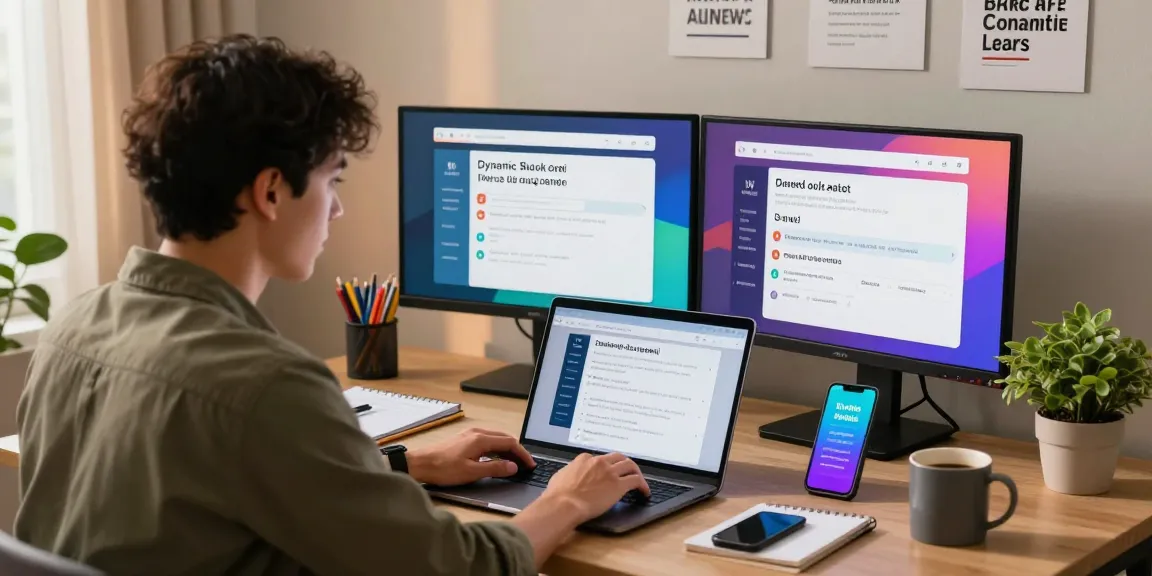
Understanding Job Alerts: A Game Changer for Job Seekers
Job alerts have revolutionized the job search process, allowing candidates to receive timely notifications about new job postings that match their preferences. These digital notifications help streamline the often overwhelming task of job hunting, ensuring that applicants can stay ahead of the competition when seeking their dream roles. With a variety of platforms offering job alerts, it’s essential to understand how they function and the advantages they bring to job seekers in today’s fast-paced employment landscape.
What Are Job Alerts and How Do They Work?
Job alerts are automated notifications sent by job boards or company career pages that inform users about new job openings based on specified search criteria. This can include factors such as job title, industry, location, and even salary expectations. Once a user sets up their preferences, the system continuously monitors relevant job postings and triggers an alert when a match is found, usually delivered via email or through a mobile app notification.
The process is relatively straightforward. Users typically create an account on a job board, enter their job preferences, and select how they’d like to receive notifications. Some advanced platforms also allow for further customization, such as alert frequency, to help manage the influx of information. This means users can receive real-time updates or opt for a daily or weekly summary.
The Importance of Job Alerts in Today’s Job Market
In an era where job openings can be filled almost instantaneously, job alerts play a crucial role in ensuring seekers do not miss out on potential opportunities. With rapid advancements in technology and changes in industry needs, many positions can become outdated or irrelevant almost overnight. Job alerts not only provide a competitive edge by delivering immediate notifications but also enable job seekers to apply with speed, making them among the first candidates to be considered.
Furthermore, job alerts contribute significantly to the visibility of candidates among employers. When applying quickly after a job is posted, applicants stand a better chance of being noticed by hiring managers, which can be pivotal in highly competitive sectors like technology, finance, and engineering.
Common Challenges with Job Alerts
Overwhelming Notifications: Managing Job Alert Fatigue
While job alerts can be beneficial, they can also lead to information overload. With numerous platforms sending frequent updates, users might find themselves facing job alert fatigue, which can result in important notifications being overlooked. This issue often arises when alerts are not properly tailored to an individual’s specific needs, leading to an influx of irrelevant positions.
Missed Opportunities: Navigating Alert Settings
Another common challenge is the potential for missed opportunities due to improper alert settings. Users may inadvertently set alerts too broadly, causing them to receive notifications for positions that do not align with their career goals. Conversely, overly narrow alerts might limit exposure to viable job openings. Striking the right balance is essential for maximizing the effectiveness of job alerts.
Spam vs. Valuable Alerts: Distinguishing Quality Notifications
In the realm of job alerts, distinguishing between spam and valuable notifications can be tricky. Many users might receive generic job postings that do not meet their criteria or are irrelevant due to geographic or industry mismatches. Learning to filter and manage these notifications is crucial in ensuring that job seekers receive alerts that truly benefit their search.
Best Practices for Setting Up Job Alerts
Tailoring Alerts to Your Job Preferences and Criteria
To combat the challenges associated with job alerts, it is vital to tailor notifications to specific job preferences and criteria. Users should define their ideal job specifications, including roles, industries, companies, and locations. This focus will help narrow down the alerts to those that genuinely align with the user’s career aspirations.
Using Multiple Job Boards for Comprehensive Coverage
Different job boards cater to various industries and job types. Thus, using multiple platforms can enhance job-seeking efforts. By diversifying the sources from which alerts are received, job seekers can gain broader coverage and access to unique opportunities that may not be advertised on every platform.
Regularly Updating Your Job Preferences for Accuracy
As the job market evolves, so may your career aspirations or the types of positions you are targeting. Regularly updating job alert preferences ensures that notifications remain relevant. Users should periodically review and adjust settings based on changing industry trends or personal career goals to ensure they are receiving the most pertinent alerts.
Real-World Success Stories: How Job Alerts Lead to Career Changes
Case Study 1: From Job Seeker to Employed in Weeks
Consider the case of Ella, a recent graduate seeking a position in marketing. After setting up personalized job alerts for entry-level roles, she received an alert for a position at a prominent company only hours after it was posted. Ella promptly applied and stood out due to her quick response, ultimately securing an interview and landing the job within two weeks. Her experience highlights the power of timely job alerts in making successful career transitions.
Case Study 2: Tracking Niche Roles in Competitive Markets
In another instance, Marcus, a software engineer focused on artificial intelligence, relied on job alerts to track openings in his niche area. By configuring alerts that specifically targeted AI-related positions, Marcus was able to discover roles at emerging startups that would have been challenging to find through traditional job search methods. He received several alerts for positions that matched his skills perfectly, leading him to a role that aligned with his passion and expertise.
Testimonials: Job Seekers’ Experiences with Job Alerts
Many job seekers echo similar sentiments about the benefits of job alerts. For instance, Priya, a platform engineer, noted that job alerts saved her numerous hours of searching. Nadia, a recent graduate, mentioned that job alerts helped her apply for roles before they were widely advertised, boosting her chances of being considered. These testimonials underscore the advantages of leveraging job alerts in effective job searching.
Future Trends in Job Alerts: What to Expect by 2026
Integration of AI in Job Alerts: Enhancing Personalization
As technology continues to advance, the integration of artificial intelligence (AI) into job alert systems is anticipated to enhance personalization significantly. AI can analyze user behavior, preferences, and successful applications to refine and recommend jobs more effectively, ensuring that alerts are more relevant and less prone to spam.
The Rise of Mobile Job Alerts: Accessibility Anywhere
The shift towards mobile technology has led to an increase in mobile-optimized job alert systems. As more job seekers rely on smartphones for their job searches, companies that offer mobile alerts will likely flourish. This approach allows users to receive real-time notifications and apply for jobs anytime and anywhere, making the process more seamless.
Future Challenges: Staying Ahead in Evolving Job Markets
As the job market continues to evolve with new technologies and shifting demands, job seekers will face new challenges. Staying ahead of these changes requires adaptability and an understanding of how to use job alerts strategically. Embracing ongoing education and skill development will be vital for candidates looking to maintain a competitive edge.
What are the best job alert services available today?
When it comes to choosing job alert services, several platforms stand out. LinkedIn, Indeed, and specialized job boards offer robust alert systems tailored to various industries, making them excellent resources for job seekers.
How can I customize my job alert preferences?
Job seekers can customize their job alert preferences by selecting specific criteria such as job titles, companies, locations, and salary ranges. Regularly adjusting these settings ensures alerts remain pertinent to evolving career goals.
Are job alerts effective for remote positions?
Absolutely! Many job alert services offer filters for remote work opportunities, allowing users to receive notifications specifically for remote roles in their desired fields.
Can I set alerts for multiple job types simultaneously?
Yes, most job alert platforms enable users to set alerts for multiple job types, allowing job seekers to explore a diverse range of opportunities that may align with their skills and interests.
What should I do if I receive too many alert emails?
If overwhelmed by alert notifications, users should revisit their alert settings and refine their preferences to reduce frequency or eliminate irrelevant job types, striking a balance that works best for their job search.