For homeowners looking to expand their living space while preserving the charm of their property, a cape cod home addition presents an attractive option. Understanding the nuances of these expansions can lead to enhanced comfort, increased property value, and improved functionality. With a style that reflects coastal New England’s charm and character, planning a successful addition requires thoughtful consideration of various practical and design elements, from budgeting to landscaping. In this comprehensive guide, we delve into the essentials of Cape Cod home additions, offering insights and advice for your journey.
Understanding Cape Cod Home Addition Basics
What is a Cape Cod Home Addition?
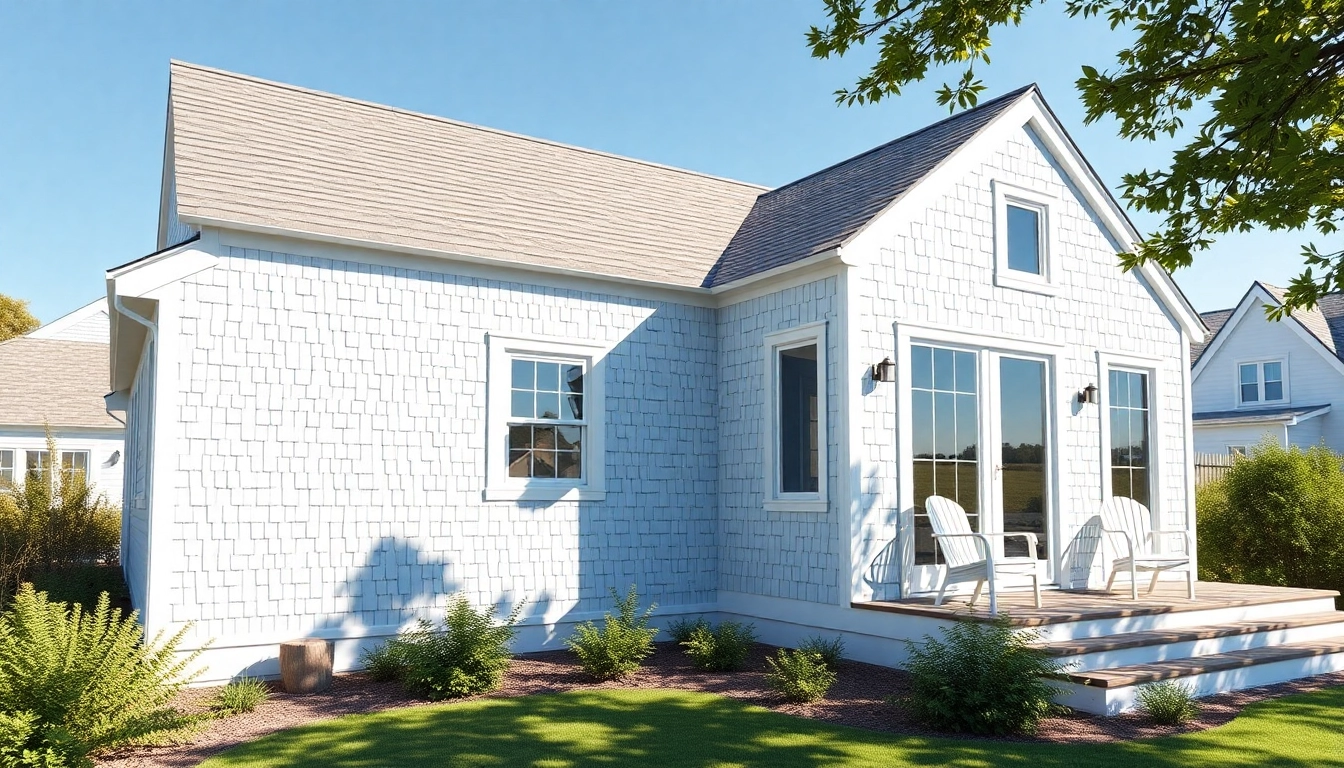
A Cape Cod home addition is defined as any structural enhancement or expansion made to an existing Cape Cod-style home. This architectural style features steep roofs, dormer windows, and symmetrical facades, originating in New England and typically comprising one or one-and-a-half stories. Additions often include more living space—like additional bedrooms, bathrooms, or garages—while maintaining the integrity of the original home’s design. These projects provide homeowners with the opportunity to modernize their homes while retaining the quaint history and architectural appeal that Cape Cod homes are known for.
Benefits of a Cape Cod Home Addition
- Increased Space: Additions create more room for families to grow, accommodating changing needs, such as growing children or the need for a home office.
- Enhanced Property Value: A well-executed home addition can significantly increase the resale value of a property, making it a wise investment decision.
- Improved Functionality: Custom additions can improve the usability of a home, ensuring spaces function efficiently for their intended purposes.
- Preservation of Character: By adhering to architectural styles, homeowners can add modern amenities while embracing traditional aesthetics.
Key Considerations Before Planning
Before embarking on your project, consider factors like budget, design, and local regulations. Establish a clear vision of your goals for the addition. Understanding the zoning laws in your area is crucial; these regulations can vary widely and influence the design and scale of your project. Additionally, think about the architectural harmony of your addition—how will it fit in with the existing structure? Engaging an architect with expertise in Cape Cod designs is advisable to ensure the new addition blends seamlessly.
Design Features of Cape Cod Home Additions
Architectural Styles to Consider
When planning your Cape Cod home addition, various architectural features are essential to consider. Popular styles that harmonize well with the traditional Cape Cod design include:
- Gable-Roofed Structures: These add a classic look that complements the existing architecture and offers excellent drainage for rain and snow.
- Dormers: Adding dormer windows can provide more natural light and additional headroom in upper-level spaces, enhancing functionality.
- Open-Concept Layouts: Contemporary living trends favor open spaces for family and social interactions, making this layout a desirable choice for your addition.
Integrating Modern Amenities
While your addition should respect the classic elements of Cape Cod architecture, modern amenities are vital for enhancing comfort and sustainability. Consider including:
- Energy-Efficient Windows: High-performance windows reduce energy costs and improve indoor comfort, fitting seamlessly with traditional aesthetics.
- Smart Home Technology: Integrate smart heating and cooling systems, security, and lighting controls to enhance convenience and control.
- Open Floor Plans: Incorporating flexible spaces that can adapt to various lifestyles is a key modern amenity that many homeowners cherish.
Choosing the Right Exterior Finishes
The exterior of your home addition should reflect the classic Cape Cod aesthetic. Opt for materials like cedar shingles, clapboard siding, and natural stone that harmonize with your existing home. Color choices should also reflect the traditional palette, typically in muted and earthy tones that complement the coastal environment. Ensuring that the finishes of the addition match or pay homage to those already present can create a cohesive look that preserves the home’s character.
Planning Your Cape Cod Home Addition
Setting a Realistic Budget
Setting a budget requires a detailed understanding of the potential costs involved in your project. Start with a detailed assessment of your finances, including available funds and the potential for financing options. Typical expenses may include:
- Planning and design fees
- Construction materials and labor
- Landscaping and finishing touches
- Permitting and inspection costs
By itemizing these potential costs, you can create a realistic budget that allows for unexpected expenses without compromising your vision.
Understanding Local Building Codes
Local building codes dictate the regulations surrounding construction projects, and adhering to these codes is critical for a successful addition. Consult with your local building authority to understand zoning laws, setback requirements, and any specific regulations applicable to Cape Cod homes. Obtaining the necessary permits is essential; failure to do so could lead to fines or the need to alter your plans mid-project.
Finding the Right Contractor
Choosing a contractor experienced in Cape Cod home additions is vital for a successful project. This professional should have a strong portfolio of completed work in this architectural style. Look for reviews and testimonials from previous clients and ask for a detailed estimate that covers labor, materials, and project timelines. A good contractor will facilitate communication and be proactive about engaging in problem-solving throughout the construction process.
Implementing Your Cape Cod Home Addition
For a Smooth Construction Process
Preparing for construction involves several strategic steps to ensure everything runs smoothly. Clear communication with your contractor, engaging in regular check-ins, and establishing clear project timelines will help keep the process organized. It’s also wise to set up temporary living arrangements if the addition significantly disrupts your home environment.
Managing Timeline Expectations
Understanding that timelines can vary based on factors such as weather conditions, availability of materials, and labor resources is crucial for maintaining realistic expectations. Collaborate closely with your contractor to establish a workable timeline, and ensure that there is room for flexibility to accommodate any potential hold-ups.
Communicating with Your Contractor
Strong communication with your contractor establishes a productive working relationship. Schedule regular progress meetings, and don’t hesitate to voice any concerns or questions. Effective communication can prevent misunderstandings and keep the project aligned with your original vision.
After Your Cape Cod Home Addition is Complete
Landscaping Ideas to Complement Your Addition
After your addition is complete, consider how landscaping can enhance the overall aesthetic of your home. Create a seamless transition from your home’s interior to the outdoor space by incorporating native plants, flowering shrubs, and walkways that invite exploration. Adding outdoor seating areas or a deck can provide functional outdoor living spaces that complement your new addition.
Decorating Tips for Added Comfort
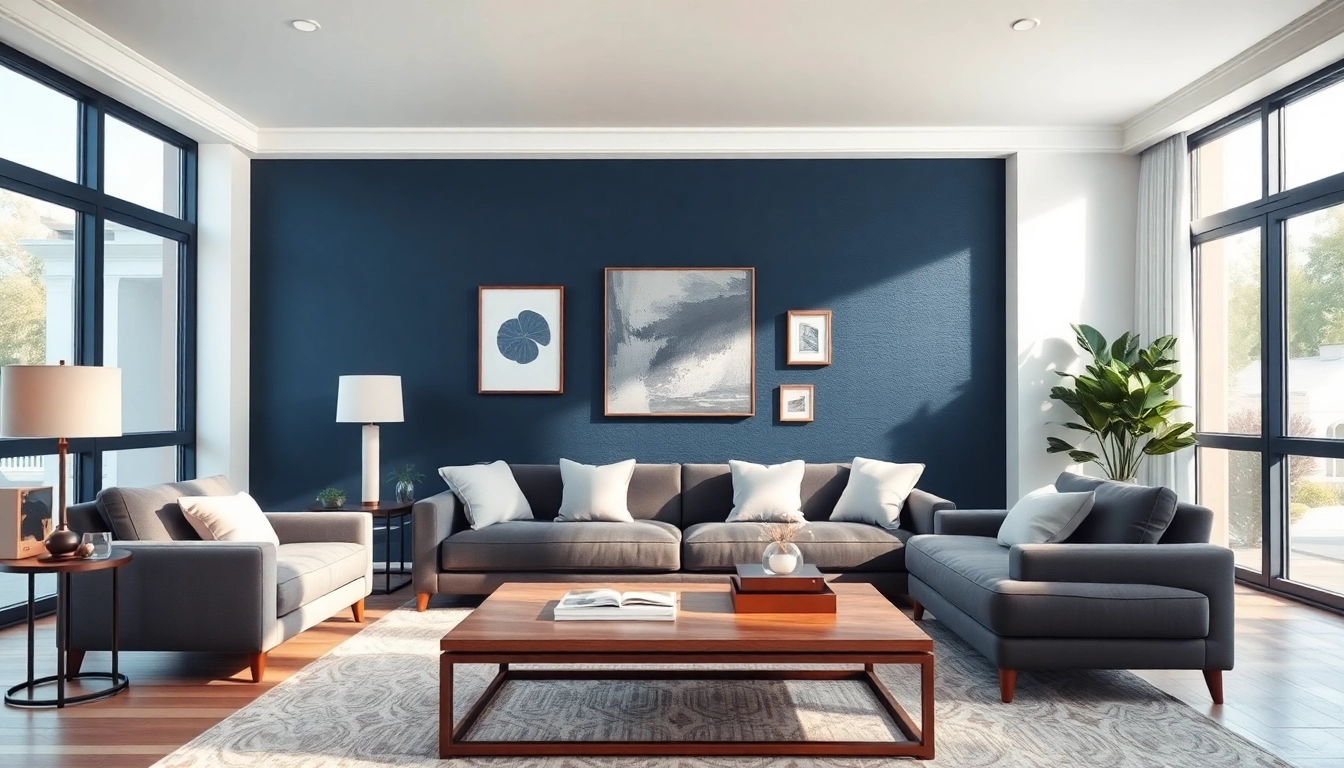
Designing the interior of your new space is an opportunity to reflect your style while maintaining functionality. Embrace natural light with strategic window placements and lighter color palettes that evoke a coastal vibe. Use furniture that complements the Cape Cod aesthetic, such as slipcovered sofas and reclaimed wood pieces. Personalize the space with nautical-themed decor that pays homage to the design’s origins.
Evaluating Energy Efficiency Post-Addition
Once your cape cod home addition is complete, perform an energy audit to evaluate system efficiency. Look for areas where energy loss occurs, such as windows and doors, and consider improvements like weather stripping or upgrading to energy-efficient appliances. Ensuring your addition is energy-efficient not only leads to cost savings but contributes positively to the environment.
Frequently Asked Questions
What permits are needed for a Cape Cod home addition?
Building permits vary by locale. Always check local regulations regarding residential additions before starting your project.
How long does a Cape Cod home addition usually take?
The timeline for completion can range from a few weeks to several months, depending on the complexity and scale of the addition.
What are common styles for Cape Cod home additions?
Popular styles include gable-roofed structures, dormers, and open-concept layouts that maintain the charm of original Cape Cod design.
How can I ensure my addition matches the original home?
Work with an architect familiar with Cape Cod styles, ensuring matching materials, colors, and design elements for a cohesive look.
What should I consider for energy efficiency?
Consider high-quality insulation, energy-efficient windows, and appliances, which can significantly enhance comfort and reduce energy costs post-addition.