Understanding Accent Walls
What Are Accent Walls?
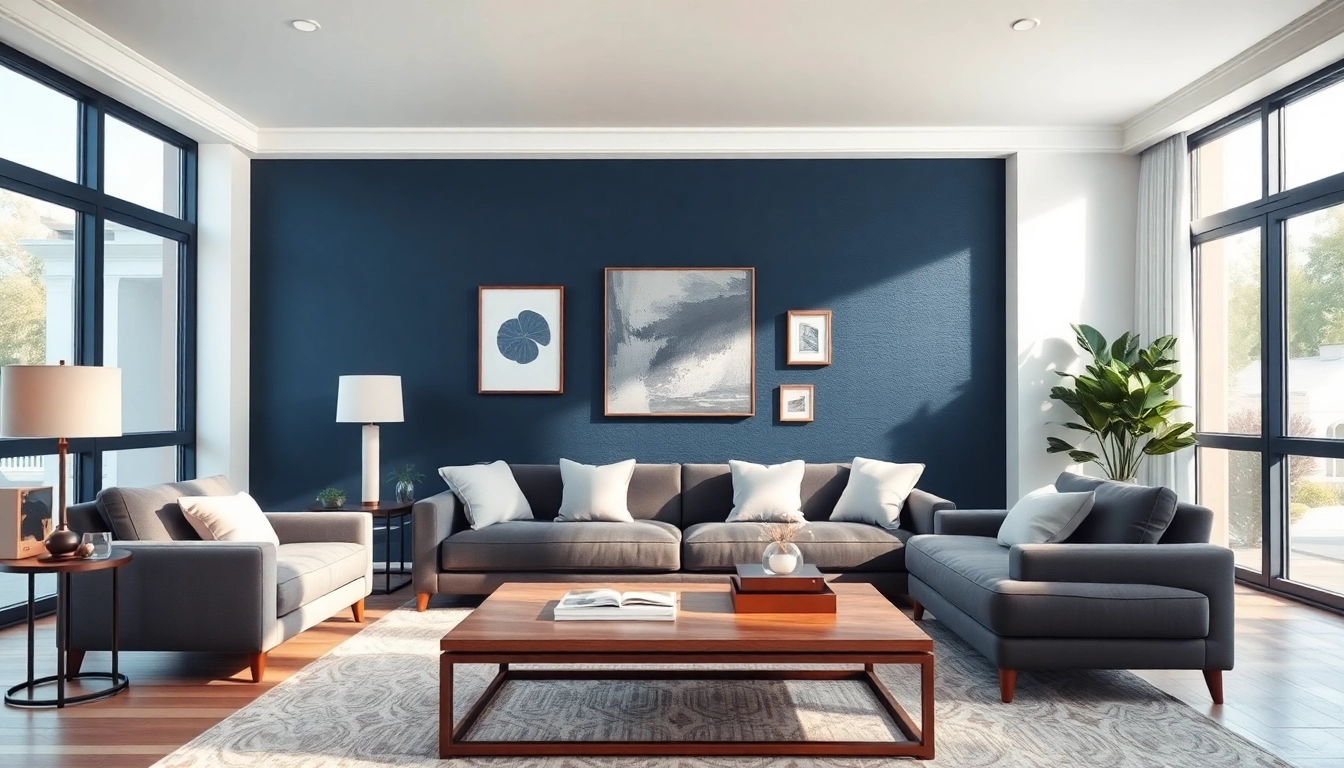
Accent walls are a powerful design technique used to create visual interest within a room by highlighting one wall in distinct ways. This can include a different color, a unique texture, or a distinctive pattern that sets it apart from the surrounding walls. The primary goal of an accent wall is to add depth and personality to an interior space without overwhelming it. Accent walls can serve as focal points and can dramatically change the atmosphere of a room.
The Benefits of Accent Walls
Introducing an accent wall can provide numerous benefits to a living space. Primarily, it acts as a visual anchor that draws attention and creates a structured look. Accent walls can enhance the perceived size of a room; darker shades can make large spaces feel cozier, while lighter colors can make a small room feel bigger. Additionally, they offer a cost-effective way to refresh a space without the need for a complete overhaul. They also allow homeowners to express their personal style by integrating bold colors or patterns that might not work on every wall in the room.
Choosing the Right Space for Accent Walls
While most rooms can benefit from an accent wall, certain spaces lend themselves better to this design strategy. Living rooms are popular choices, as they are often gatherings points. In bedrooms, an accent wall behind the bed can create a serene retreat. Dining areas also benefit from a well-designed accent wall, adding warmth and character. It is essential to consider the proportions of your room, the layout, and the primary view when selecting the ideal space for an accent wall. Choosing a wall that naturally draws attention, such as one with architectural features or views, can enhance the impact of your design.
Types of Accent Walls
Painted Accent Walls
One of the most common forms of accent walls is painted surfaces. These walls can be painted in bold colors to create a striking contrast or in muted tones for a more subtle effect. The beauty of painted accent walls is the wide range of colors available—from earthy tones to vibrant hues. Moreover, using various painting techniques such as ombre, stripes, or geometric patterns adds complexity and personalization to the design.
Textured Accent Walls
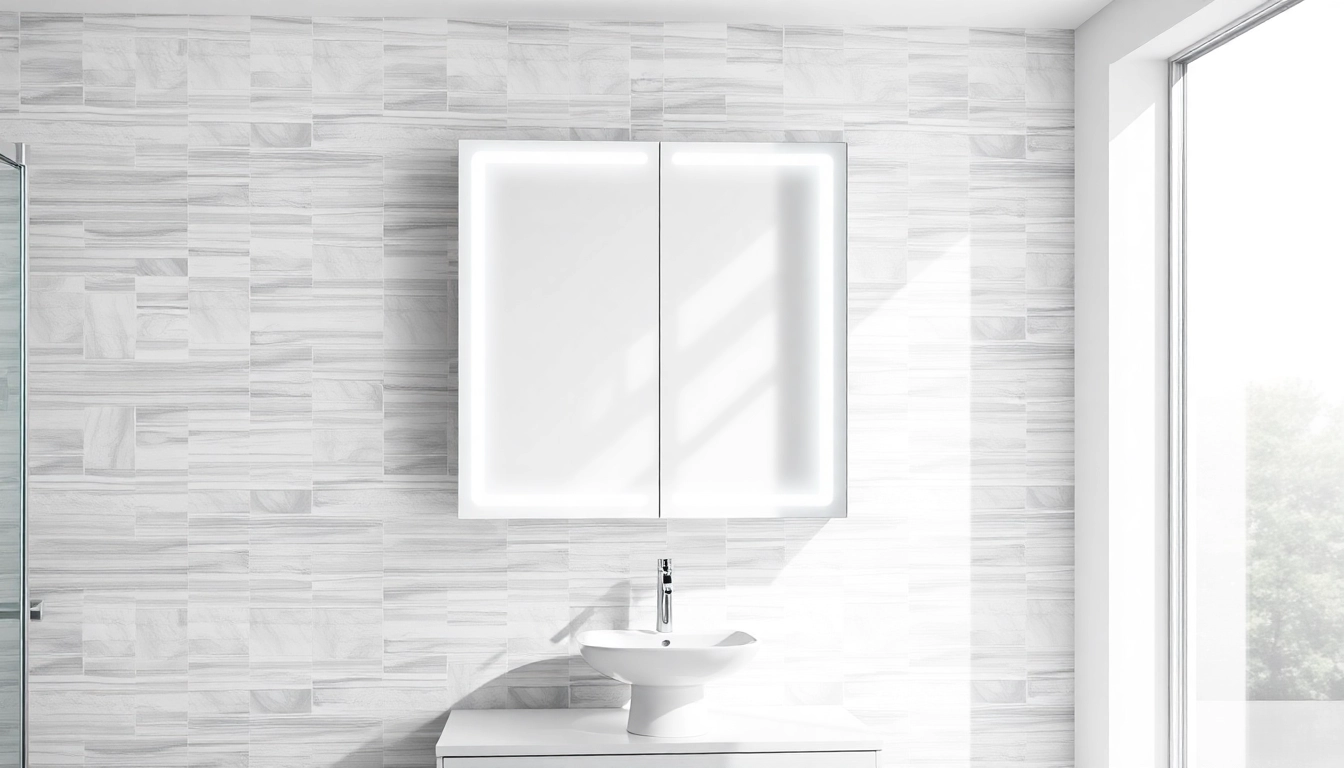
Textured accent walls provide tactile interest, appealing to both the visual and physical senses. Options for texture might include shiplap, wood panels, stone, or drywall techniques like stucco. These materials can be applied in an intricate manner to create a three-dimensional effect that adds depth and warmth to any space. Textured accent walls work especially well in modern designs, where simplicity and natural materials blend seamlessly.
Gallery Wall Ideas
A gallery wall takes the concept of an accent wall to another level by incorporating art, photos, and other decorative elements. This allows for personal expression and the curation of visual memories. Installation styles can vary; frames can be aligned in uniform arrangements, or a more eclectic and freestyle mixture can be employed. Gallery walls can be changed seasonally or when new art is acquired, making them dynamic and versatile.
Designing Your Accent Wall
Selecting Colors for Accent Walls
Choosing the right color is crucial for the success of an accent wall. The color should complement the overall palette of the room while standing out significantly from the other walls. For a harmonious look, consider colors that have similar undertones or are opposites on the color wheel. Additionally, lighting plays a substantial role; a color may appear different based on the amount and type of light it receives throughout the day. Testing colors with sample swatches before making a final choice is critical for achieving the desired effect.
Popular Materials for Accent Walls
The materials used for creating accent walls are as diverse as the colors. Common materials include wood, stone, brick, and various wall coverings like wallpaper. Each material brings its own character and aesthetic. For example, reclaimed wood adds warmth and history, whereas sleek glass can give a contemporary, airy vibe. On the other hand, wallpaper offers an endless choice of patterns and textures, making it easy to customize the wall according to personal taste.
Complementary Decor for Accent Walls
Choosing complementary decor is essential to maintaining a cohesive look in a room with an accent wall. Furniture, artwork, and accessories should enhance the accent wall and not compete with it. Select pieces that either mimic the color of the accent wall or introduce contrasting tones that harmonize. Lighting fixtures can also be used strategically to highlight the accent wall, drawing attention and enhancing its presence. Plants or decorative items can serve as finishing touches that bring the whole room together.
Installation Tips for Accent Walls
DIY vs. Professional Help
When deciding between a DIY project and hiring a professional, consider your skill level, the complexity of the design, and the materials chosen. DIY projects can be cost-effective and personally gratifying, especially for painted accent walls. However, intricate designs or heavy materials (like stone) may warrant professional assistance for safety and quality assurance. Weighing the pros and cons is essential, as the right choice will depend on your specific project needs and comfort level.
Tools You’ll Need for Accent Walls
Successfully creating an accent wall requires specific tools and materials. Standard tools include paintbrushes and rollers, a drop cloth, painter’s tape, a level, and possibly a saw or a hammer if you use wooden panels or other structural materials. Ensure to gather everything before starting to avoid interruptions. Quality tools not only make the work easier but also contribute to a neat and professional-looking finish.
Step-by-Step Installation Guide
1. Preparation: Clear the area and remove any furniture or decor near the wall. For painted walls, wash the surface to remove dust and debris.
2. Planning: Use painter’s tape to mark the edges of the wall or the pattern’s outline. For textured or gallery walls, plan the layout first on the floor before transferring it to the wall.
3. Painting: If creating a painted accent wall, apply the base coat if necessary, followed by the selected color. Be patient, allowing adequate drying time between coats.
4. Installation: For textured walls, follow specific guidelines according to the material. If using panels or wallpaper, begin installation from a corner or reference point to maintain alignment.
5. Finishing Touches: Once the walls are installed and dried, remove any tape and rearrange furniture or decor. Take a step back to ensure your work looks as envisioned.
Maintaining Your Accent Walls
Cleaning and Care Tips
Regular maintenance ensures your accent wall remains as striking as the day it was completed. For painted walls, cleaning with a damp cloth is usually sufficient. Consider using a gentle cleaning solution for textured or wallpapered surfaces, ensuring you follow the manufacturer’s guidelines. Avoid abrasive materials that could damage the finish. Inspect the wall periodically for any signs of wear or damage, addressing issues promptly.
Refreshing Your Accent Walls Over Time
Over time, even the most well-maintained accent walls may benefit from a refresh. This can range from a simple repainting to a complete redesign. Rotating decor or introducing new accessories can also reinvigorate the space. If the wall has a substantial design or texture, smaller updates in the decor can make a significant difference without losing the impact of the original design.
When to Repaint or Redesign Accent Walls
Knowing when to repaint or redesign an accent wall often depends on personal preference and the room’s functionality. If you feel the room has become stale or the colors no longer resonate, it might be time for a change. Generally, repaint every few years based on trends and wear. Redesign if the room has undergone a significant shift in purpose or style—like transitioning a guest room into a home office. Timely updates keep spaces fresh and inviting.
FAQs About Accent Walls
What colors work best for accent walls?
Bold colors like deep blues, greens, or striking reds are popular. Lighter tones can also work if they contrast effectively with the other walls.
Can I use wallpaper for an accent wall?
Yes, wallpaper is an excellent option. It offers various patterns and textures to enhance visual interest on an accent wall.
How do I choose the right wall for an accent wall?
Select a wall that naturally draws attention, such as one featuring artwork, architectural details, or views. Avoid walls cluttered with furniture.
Are accent walls still in style?
Yes, accent walls remain popular in interior design, adapting to trends with varied materials, colors, and patterns that elevate room aesthetics.
Can I change my accent wall seasonally?
Absolutely! Accent walls can be refreshed with new colors, designs, or decorative elements to reflect seasonal themes or trends.