Understanding Biogas and Its Production Process
Biogas is an increasingly important renewable energy source that plays a crucial role in the transition to a sustainable energy future. Composed primarily of methane and carbon dioxide, biogas is produced through the anaerobic digestion of organic materials, including agricultural residues, food waste, and livestock manure. With growing awareness of climate change and the push for energy independence, understanding biogas production has become essential for both individuals and businesses alike. When exploring options, Biogas systems offer comprehensive insights into how energy can be harnessed responsibly and sustainably.
What is Biogas?
Biogas is a mixture of gases generated from organic matter through the anaerobic digestion process, which occurs in the absence of oxygen. The primary components include methane (typically between 50% and 70%), carbon dioxide, and trace amounts of other gases such as hydrogen sulfide and ammonia. The production of biogas enhances resource recovery from waste and contributes to energy generation while reducing greenhouse gas emissions. As a versatile energy source, biogas can be utilized for electricity generation, heating, and as a vehicle fuel, making it an attractive option for numerous applications.
How is Biogas Produced?
The production of biogas occurs in several stages, primarily involving the decomposition of organic materials by microorganisms. The main steps include:
- Feedstock Preparation: Organic waste, such as food scraps, manure, and agricultural residues, is collected and pre-processed to enhance its digestibility.
- Anaerobic Digestion: The prepared organic material is placed in a sealed environment known as a digester, where anaerobic bacteria break down the material, producing biogas and digestate.
- Biogas Collection: The generated gas is captured and can be stored or processed further for various uses.
- Digestate Treatment: The remaining solid and liquid materials can be treated and used as a nutrient-rich fertilizer or soil conditioner.
This straightforward process illustrates how biogas systems can effectively convert waste into valuable energy resources.
Key Components of Biogas Systems
Understanding the components of biogas systems is essential for effective implementation and management. Key elements include:
- Digester: The core component where anaerobic digestion occurs. Digesters can be batch or continuous flow systems.
- Gas Storage: Tanks or bags to store produced biogas until it is needed for energy generation.
- Gas Treatment Systems: Equipment such as filters and scrubbers that purify biogas by removing impurities and enhancing its quality.
- Energy Utilization System: Infrastructure to convert biogas into electrical or thermal energy or to upgrade it to biomethane for use in transport fuels.
The Environmental Benefits of Biogas
As the global community seeks to mitigate climate change and promote sustainable practices, biogas stands out as a powerful tool for reducing environmental impact. Its benefits extend beyond waste management to encompass wider ecological and economic advantages.
Reducing Waste Through Biogas
One of the most significant advantages of biogas is its ability to recycle organic waste, preventing it from entering landfills where it can produce harmful greenhouse gases as it decomposes. By diverting organic materials from waste streams, biogas systems help manage waste effectively, turning potential pollutants into clean energy. This waste reduction contributes not only to cleaner landfills but also supports agricultural sustainability by returning nutrients to the soil in the form of digestate.
Lowering Carbon Footprint with Renewable Energy
Biogas production contributes to lowering carbon footprints by providing a renewable energy source. By replacing fossil fuels in energy generation, biogas helps reduce carbon dioxide and methane emissions associated with traditional energy sources. Furthermore, the closed-loop nature of biogas systems means that the carbon released during combustion is offset by the carbon absorbed by the biomass during its growth, promoting a circular economy.
Biogas in the Circular Economy
Incorporating biogas into energy systems aligns with the principles of the circular economy, where waste is minimized, and resources are reused. The production process not only generates energy but also supplies valuable organic fertilizers, promoting sustainable agricultural practices. This multifaceted approach illustrates biogas’s pivotal role by facilitating waste reduction, energy production, and nutrient recycling, essentially closing the loop in organic waste management.
Challenges in Biogas Implementation
Despite its numerous benefits, the implementation of biogas systems is not without challenges. Addressing these obstacles is essential for the widespread adoption of biogas technology.
Common Misconceptions about Biogas Systems
A prevalent misconception regarding biogas is that it’s an easy and low-maintenance solution. In reality, biogas systems require careful management, including feedstock selection, monitoring of digester conditions, and regular maintenance of equipment. Additionally, potential users may overestimate the energy output from biogas systems or underestimate the initial investment required to establish these facilities.
Technical and Operational Obstacles
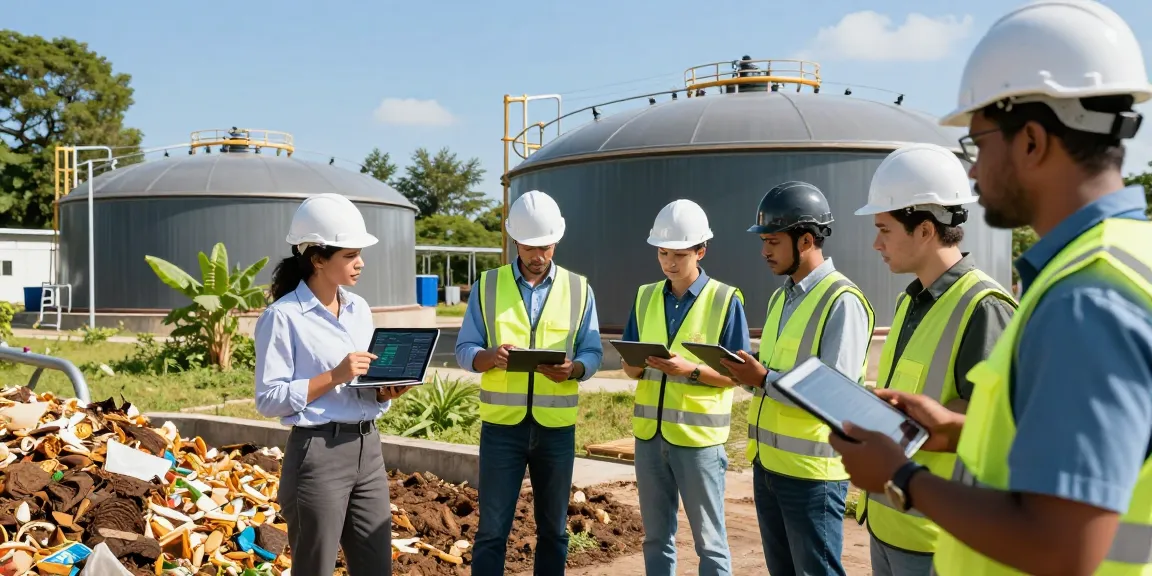
Technical challenges such as the variability of feedstock quality, the complexity of biogas production systems, and the need for advanced monitoring and control technologies can hinder biogas implementation. Operators must be educated about the process and potential issues to ensure optimal performance and energy yield from their systems. Focused training and ongoing technical support are critical for overcoming these obstacles.
Financial Considerations for Biogas Projects
Investing in biogas technology can be financially daunting due to high upfront costs, including equipment, installation, and regulatory compliance. Financial support through government incentives or grants is often necessary to make biogas projects economically viable. Additionally, a thorough analysis of operational costs and potential revenue streams from energy sales or digestate as fertilizer can help enhance the financial feasibility of biogas systems.
Future Trends in Biogas Technology
As biogas technology continues to evolve, various trends are shaping its future potential and applications in the renewable energy landscape.
Innovations Enhancing Biogas Production Efficiency
Technological advancements in biogas production are focusing on improving efficiency and reducing costs. Innovations such as enhanced anaerobic digester designs, real-time monitoring systems, and the integration of artificial intelligence for data analysis are paving the way for more efficient operational management. Additionally, emerging technologies for biogas upgrading are making it possible to produce high-quality biomethane suitable for direct injection into the gas grid.
The Role of Government Policy in Biogas Growth
Government policies promoting renewable energy use and carbon reduction initiatives are instrumental in driving the growth of biogas technology. Subsidies, tax credits, and regulatory support are crucial factors that encourage investment in biogas projects. As countries move towards meeting stringent climate targets, supportive policies will ensure the continued expansion of this renewable energy source.
Case Studies of Successful Biogas Implementations
Analyzing successful biogas projects provides invaluable insights into best practices and strategies for future implementations. For instance, projects within the agricultural sector have demonstrated how farms can effectively use waste to generate energy, significantly reducing their reliance on non-renewable resources while improving their bottom line. Learning from these case studies can inform new projects, illustrating the tangible benefits and practical applications of biogas systems.
Making Biogas Work for You
To maximize the benefits of biogas, individuals and organizations must carefully consider various factors when implementing biogas systems.
Choosing the Right Biogas System for Your Needs
Selecting an appropriate biogas system requires a comprehensive analysis of energy needs, available feedstock, and financial resources. Various types of systems, including small-scale digesters for residential use and large-scale systems for industrial applications, can be tailored to meet specific requirements. Ensuring that the chosen system aligns with operational goals is critical for achieving the desired outcomes.
Maintenance Best Practices for Biogas Systems
Regular maintenance is essential for maintaining the efficiency and reliability of biogas systems. Practices such as monitoring feedstock quality, ensuring the proper functioning of all equipment, and conducting regular inspections can prevent costly downtimes and extend the system’s lifespan. Operators should be well trained on the necessary maintenance procedures to ensure optimal performance.
Evaluating the Return on Investment for Biogas Solutions
Determining the return on investment (ROI) for biogas projects involves evaluating both direct and indirect financial benefits. This includes analyzing energy savings, potential revenue from energy sales, and cost savings from reduced waste disposal. Additionally, assessing broader benefits, such as enhanced sustainability and alignment with corporate environmental goals, can further justify the investment in biogas technology.
What are the advantages of using Biogas?
Biogas offers several advantages, including renewable energy generation, waste reduction, and lower carbon emissions. It also provides a valuable nutrient source for agriculture when digestate is appropriately processed.
How can Biogas contribute to sustainability?
Biogas contributes to sustainability by turning waste into energy, reducing reliance on fossil fuels, and enhancing soil health through organic fertilizers.
What are the disadvantages of Biogas?
Some disadvantages of biogas include high initial setup costs, technical complexity, and the need for consistent feedstock supply to maintain production levels.
Is Biogas safe to use in residential applications?
Yes, biogas can be safely used in residential applications when appropriately managed. For more information, Prime power offers valuable insights. Ensuring adequate safety measures and compliance with local regulations is essential for the safe use of biogas in homes.
How does Biogas compare with other renewable energies?
Compared to other renewable energy sources, biogas offers the unique advantage of being able to produce energy from waste, thus addressing both energy production and waste management simultaneously. Its flexibility allows for use in electricity generation, heating, and transportation, making it a versatile energy solution.