Introduction to Fluid Power Systems
Fluid power systems are integral to various industries, enabling powerful and precise machine operations. When we talk about these systems, we refer to technology that uses pressurized fluids to generate, control, and transmit power. This encompasses both hydraulic and pneumatic systems, which have become essential in contexts ranging from manufacturing to aerospace. Understanding the nuances of fluid power systems can illuminate how these systems enhance operational efficiency and performance.
What Are Fluid Power Systems?
Fluid power systems harness the force of fluids—liquids and gases—to perform work. Their fundamental function lies in the ability to convert energy from one form to another, making them pivotal in various applications. At the core of fluid power is the basic principle that a fluid under pressure can act on a surface to produce measurable force. These systems can be broadly classified into two categories: hydraulic systems, which use liquids, and pneumatic systems, which utilize gases. Each system operates based on specific principles of fluid mechanics, enabling a wide range of functionalities.
Importance in Modern Industries
The significance of fluid power systems in modern industries cannot be overstated. They are found in essential operations across sectors, enhancing productivity and reliability. Industries such as construction, manufacturing, aerospace, and automotive rely on these systems for tasks requiring high force and precise control. Without them, the automated and rapid operations that typify today’s manufacturing and construction would be impossible. Furthermore, as industries increasingly focus on automation and efficiency, the relevance of fluid power systems continues to grow.
Basic Components and Functions
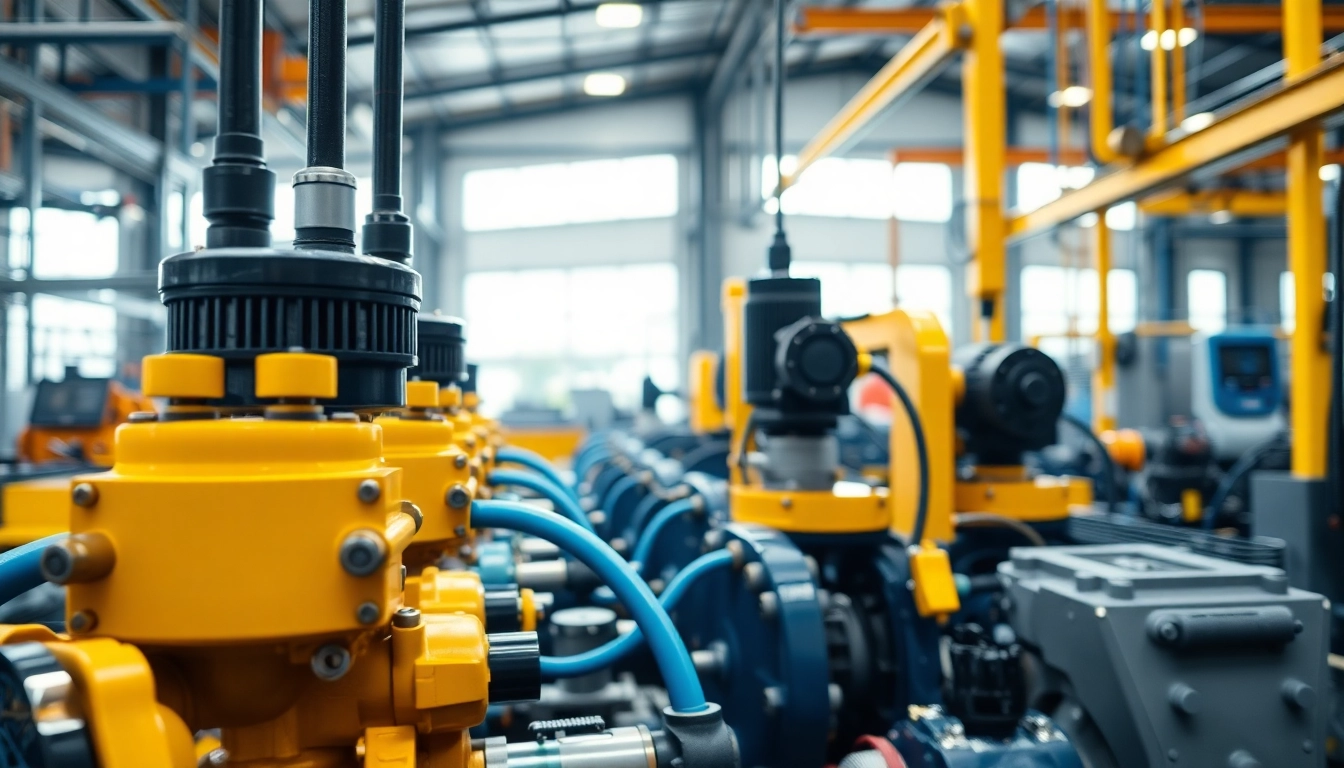
Fluid power systems are comprised of a number of key components that work together to achieve their objectives. The primary elements include:
- Pumps: These convert mechanical energy into fluid energy, generating the pressure required to move the fluid through the system.
- Actuators: These are devices that convert the energy of the pressurized fluid back into mechanical energy to perform work.
- Valves: Valves control the flow and direction of the fluid within the system, allowing for precise management of the operational capabilities.
- Reservoirs: These store the hydraulic fluid, ensuring that the system has a consistent supply of fluid for operation.
- Filters: Filters clean the hydraulic fluid, preventing damage caused by contaminants.
Together, these components facilitate the generation, transmission, and control of fluid power, allowing systems to perform various tasks with precision and force.
Types of Fluid Power Systems
Hydraulic Systems Explained
Hydraulic systems utilize incompressible liquids, usually oil, to transmit power. They are characterized by their ability to produce significant force with relatively small components. The basic operation involves a pump delivering fluid under pressure to an actuator, where the fluid power is converted into mechanical work. This principle is a cornerstone in applications like construction equipment and industrial machinery, where high forces are necessary. Due to the incompressibility of liquids, hydraulic systems provide a smooth and responsive operation, making them ideal for precise control in dynamic operations.
Pneumatic Systems Overview
Pneumatic systems, on the other hand, utilize compressed gases—most commonly air—to transmit power. Their design typically incorporates compressors, which provide the high-pressure air required for operation. Pneumatic systems are known for their speed and lighter weight compared to hydraulic systems, making them suitable for tasks that require quick, repetitive motion—such as in automated assembly lines. Furthermore, since air is compressible, pneumatic systems can provide cushioning and shock absorption during operations, enhancing the lifespan of machinery.
Comparative Advantages
Each type of fluid power system possesses distinct advantages that cater to various industrial requirements. Hydraulic systems are revered for their capability to deliver high force and precision control, making them suitable for heavy-duty applications. Conversely, pneumatic systems excel in environments that prioritize speed and lightweight operation, benefiting tasks that require rapid movements. Selecting the appropriate system depends on the specific requirements of the application, emphasizing the importance of understanding their comparative advantages.
Applications of Fluid Power Systems
Manufacturing and Automation
Fluid power systems play a critical role in manufacturing, facilitating tasks ranging from assembly line operations to automated machine controls. Hydraulic presses, for example, utilize hydraulic systems to shape, cut, and assemble materials, optimizing production efficiency. In automated settings, pneumatic actuators control pick-and-place tasks, ensuring rapid response times and flexibility in operations. With the increasing push towards automation, the reliance on fluid power systems in manufacturing is likely to expand.
Construction and Heavy Machinery
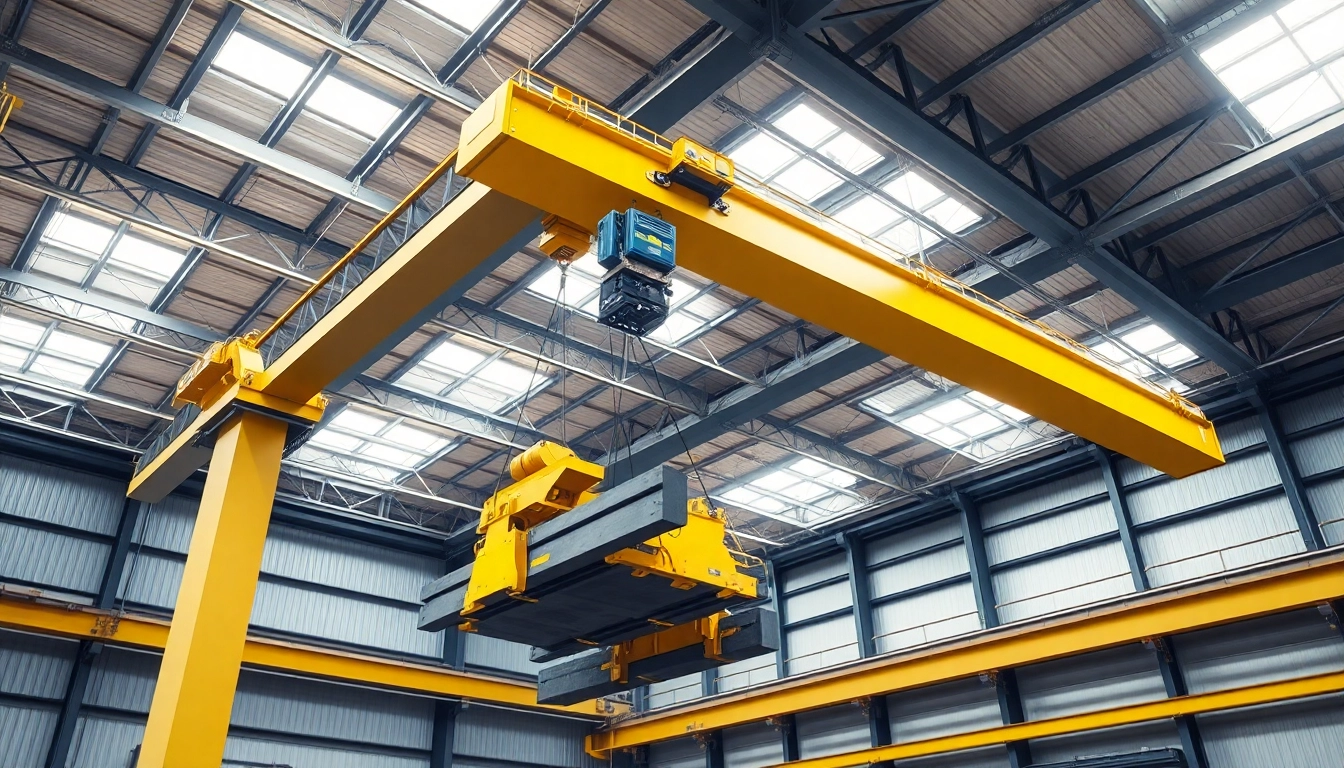
In the construction industry, hydraulic systems dominate due to their ability to generate immense force. Excavators, bulldozers, and cranes all utilize hydraulic systems for lifting, digging, and maneuvering heavy loads. The precision and control afforded by hydraulic power allow for intricate operations, which are vital in construction environments where precision can affect safety and efficiency. As construction projects become more complex, the integration of advanced fluid power technology continues to evolve.
Aerospace and Automotive Usage
Fluid power systems are indispensable in the aerospace and automotive industries. In aerospace, hydraulic systems control flight operations, landing gear, and other critical components, demonstrating their reliability and efficiency under extreme conditions. Similarly, in automotive applications, hydraulic brakes and steering systems utilize fluid power to deliver responsive and reliable performance. The ongoing emphasis on safety and performance in these sectors further solidifies the role of fluid power systems.
Designing Efficient Fluid Power Systems
Criteria for System Selection
When designing a fluid power system, a range of criteria must be considered to ensure optimal performance. Factors such as the required force output, the speed of operation, the working environment, and the types of controls needed play a fundamental role in system selection. Understanding the demands of the specific application is crucial, as it influences component selection, system configuration, and overall design parameters. Thorough analysis can lead to the development of a robust system that meets operational needs efficiently.
Best Practices for System Design
Implementing best practices in fluid power system design is vital for achieving improved performance and longevity. This includes selecting high-quality components, ensuring proper alignment and connection, and incorporating redundancy for safety. Furthermore, regular maintenance and inspections should be integrated into the system’s operational schedule. This proactive approach helps identify potential issues before they escalate, minimizing downtime and operational costs.
Common Pitfalls and Troubleshooting
Fluid power systems are not without their challenges, and designers must be aware of common pitfalls. Over-engineering can lead to unnecessary complexity, while under-engineering can result in failure under load. Additionally, improper fluid selection can severely affect system performance. Troubleshooting methods should include monitoring performance metrics, conducting routine inspections, and employing feedback mechanisms to pinpoint and diagnose issues quickly, ensuring uninterrupted operation.
Future Trends in Fluid Power Technology
Innovations on the Horizon
The field of fluid power systems is witnessing continuous innovation, aimed at enhancing efficiency and performance. Emerging technologies such as electromechanical systems, which combine traditional fluid power principles with electric actuators, are gaining traction. These systems offer enhanced precision and responsiveness while reducing energy consumption. As technology continues to advance, we can expect to see further refinement in fluid power applications across various sectors.
Sustainability and Efficiency Trends
As global awareness of environmental issues rises, fluid power systems are also evolving in terms of sustainability. The development of biodegradable fluids and energy-efficient hydraulic systems is becoming increasingly important. Furthermore, improving system efficiency can reduce energy consumption and operational costs, benefiting both the environment and corporate bottom lines. The integration of sustainability into fluid power design is not just a trend but a necessity in creating a viable future.
Integration with Smart Technologies
The integration of smart technologies, such as IoT and AI, into fluid power systems is transforming the landscape. Predictive maintenance, performance monitoring, and data analytics are becoming standard practices, allowing for enhanced operational efficiencies. This synergy enables real-time adjustments and optimization based on data-driven insights, marking a significant step toward the smart industry of the future. As industries adapt to new technologies, fluid power systems will benefit immensely.
FAQs about Fluid Power Systems
What is the primary function of fluid power systems?
The primary function of fluid power systems is to generate, control, and transmit power using pressurized fluids, enabling various operations across multiple industries.
What are the advantages of hydraulic systems?
Hydraulic systems offer significant force generation, precise control, and smooth operation, making them ideal for heavy-duty applications and tasks requiring high power and precision.
How do pneumatic systems differ from hydraulic systems?
Pneumatic systems utilize compressible gases like air, making them faster and lighter than hydraulic systems, which use incompressible liquids, typically oil.
What key components are essential in fluid power systems?
Key components include pumps, actuators, valves, reservoirs, and filters, each playing a vital role in generating and controlling fluid power.
Why is maintenance critical for fluid power systems?
Regular maintenance prevents failures, enhances performance, and extends the lifespan of fluid power systems, ensuring they operate efficiently and safely.
Contact Information
Call Us: 1 780-452-2876
Email: [email protected]
Address: 13111 159 St NW, Edmonton, AB, Canada, T5V 1H6