Introduction to Waterproof Vinyl Flooring
When it comes to choosing the perfect flooring for your home, durability and aesthetics are often at the forefront of your considerations. One material that has been gaining popularity due to its blend of functionality and style is waterproof vinyl flooring. Offering a wide range of designs and an unparalleled capacity to withstand moisture, waterproof vinyl flooring has become the go-to choice for homeowners looking to enhance the appearance and longevity of their spaces.
What is Waterproof Vinyl Flooring?
Waterproof vinyl flooring is a synthetic flooring product designed to resist moisture and spills, making it ideal for high-traffic and water-prone areas like kitchens, bathrooms, and basements. Unlike traditional vinyl, which may absorb water and expand or warp, waterproof vinyl features a special composition that prevents water damage, providing unparalleled longevity and performance. It can come in various formats, including planks, tiles, and sheets, each tailored to suit diverse design preferences.
Benefits of Waterproof Vinyl Flooring
The advantages of waterproof vinyl flooring extend beyond its moisture-resistance properties:
- Durability: High-quality vinyl is designed to withstand heavy foot traffic, making it a suitable choice for busy households.
- Easy Maintenance: Routine cleaning usually requires just sweeping and mopping, saving time and effort for homeowners.
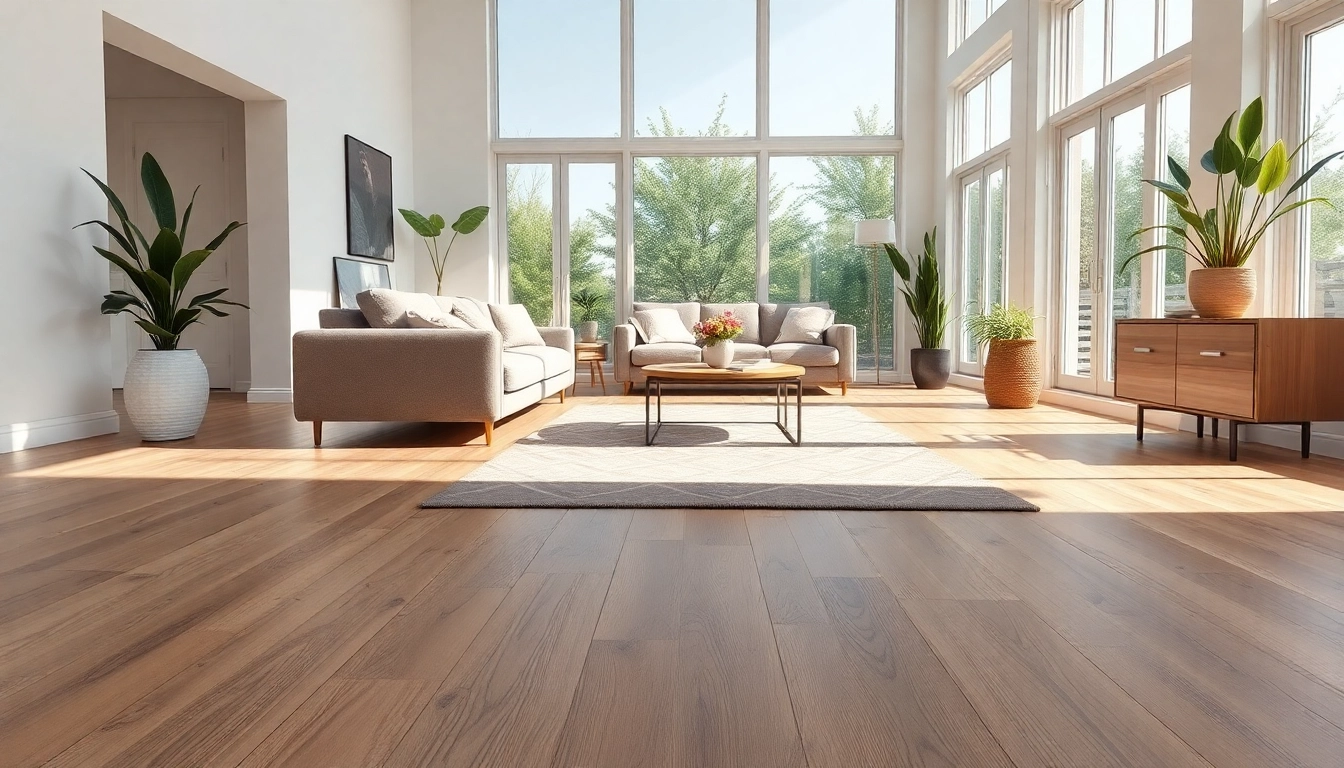
- Variety of Styles: Available in numerous designs, colors, and patterns, waterproof vinyl can mimic natural materials like wood and stone.
- Comfort and Warmth: Vinyl flooring is softer underfoot compared to materials like tile, offering comfort for long-standing periods.
- Cost-Effectiveness: It often provides an affordable alternative to natural stone or hardwood flooring without sacrificing appearance or performance.
Common Myths About Waterproof Vinyl Flooring
Despite its benefits, there are several myths that persist about waterproof vinyl flooring:
- Myth 1: It’s All the Same: In reality, not all vinyl flooring is created equal. Different styles and qualities exist, and it’s crucial to research and choose high-quality options.
- Myth 2: It’s Only for Basements and Bathrooms: While ideal for moisture-heavy areas, waterproof vinyl is equally suitable for living rooms, bedrooms, and kitchens.
- Myth 3: Difficult to Install: Many waterproof vinyl products come with a user-friendly installation system, allowing for DIY projects.
Choosing the Right Waterproof Vinyl Flooring
Choosing the right waterproof vinyl flooring involves considering various factors to narrow down your options effectively. Here are some key areas to pay attention to:
Factors to Consider When Buying Waterproof Vinyl Flooring
When you’re on the hunt for the perfect waterproof vinyl flooring, several critical factors should guide your decision:
- Thickness: Generally, thicker planks or tiles tend to be more durable and provide better sound insulation.
- Wear Layer: Look for a thicker wear layer, which enhances durability and protects against scratches and dents.
- Texture: A textured surface can provide better traction, making it a safer option for slippery areas.
- Installation Type: Decide whether you prefer a glue-down, click-lock, or loose lay installation based on your skills and comfort level.
Different Styles and Patterns Available
Waterproof vinyl flooring comes in a plethora of styles, accommodating various tastes and interior designs:
- Wood Plank: Mimics the appearance of hardwood with realistic textures, providing a warm and inviting ambiance.
- Tile Look: Features designs that imitate natural tile or stone, providing elegance and a modern feel.
- Patterned Vinyl: Offers unique designs, ideal for creating focal points or adding vibrancy to your space.
How to Match Waterproof Vinyl Flooring with Your Decor
To create a cohesive look in your home, it’s essential to match your flooring with your existing decor:
- Color Palette: Choose flooring colors that complement your wall colors and furnishings. Warmer tones pair well with earthy decor, while cooler shades work with minimalist styles.
- Room Purpose: Consider the utility of the room when selecting patterns and colors; vibrant colors can energize a playroom while serene tones may enhance a bedroom’s relaxation ambience.
- Texture Balance: If you have plush carpets or velvety fabrics, consider a textured vinyl to provide contrast and interest.
Installation Process of Waterproof Vinyl Flooring
Understanding the installation process can help you determine whether to take the DIY route or hire a professional. Here’s a detailed breakdown:
Pre-Installation Steps
Before you begin installation, a few preparatory steps are crucial:
- Subfloor Preparation: Ensure your subfloor is clean, dry, and smooth. Any imperfections can affect the final result.
- Acclimation: Let the flooring acclimate to the room’s temperature for at least 48 hours to prevent expansion or contraction post-installation.
- Tools Gathering: Have the necessary tools handy, including a utility knife, measuring tape, and a roller for adhesion, if applicable.
DIY vs. Professional Installation
Deciding between DIY installation and hiring professionals depends on your skill level and comfort:
- DIY Installation: Affordable and flexible, you can take your time and choose the pace that suits you. Many waterproof vinyl products offer user-friendly click-lock systems.
- Professional Installation: While this option may be costlier, professionals can ensure a flawless and timely installation that adheres to manufacturer guidelines, reducing the risk of errors.
Tools Needed for Installation
Having the right tools is essential for successful installation. Here’s a list of common tools needed:
- Measuring Tape
- Utility Knife
- Straight Edge
- Floor Roller (for glue-down systems)
- Spacers for expansion gaps
Care and Maintenance of Waterproof Vinyl Flooring
Maintaining waterproof vinyl flooring is straightforward, contributing to its long-lasting appeal:
Best Practices for Cleaning Waterproof Vinyl Flooring
Regular maintenance can preserve the beauty of your flooring:
- Daily Cleaning: Sweep or vacuum to remove dirt and debris to prevent scratching.
- Deep Cleaning: Use a damp mop with a gentle cleaner designed for vinyl flooring. Avoid harsh chemicals or high-pH solutions.
- Spot Cleaning: Deal with spills immediately by wiping with a cloth, which prevents staining.
Preventative Measures to Keep Flooring in Good Condition
A few simple measures can prevent excessive wear and tear:
- Furniture Protectors: Place felt pads on the bottom of heavy furniture to avoid scratches and dents.
- Avoid Excessive Water: While the flooring is waterproof, it’s best to avoid standing water to prevent seams from loosening over time.
- Regular Maintenance Checks: Inspect the flooring regularly for signs of damage or wear to address issues promptly.
Common Issues and How to Fix Them
Even the best flooring can encounter issues. Here’s how to address common concerns:
- Scratches: Use a vinyl repair kit to fill in small scratches or scuffs, or consider replacing the affected plank or tile.
- Loose Seams: For seams that begin to lift, use vinyl adhesive to secure them back in place.
- Fading Colors: Protect your flooring from direct sunlight to prevent fading; consider window treatments or UV films if exposure is significant.
Frequently Asked Questions About Waterproof Vinyl Flooring
Is waterproof vinyl flooring suitable for all rooms?
Yes, waterproof vinyl flooring can be used in kitchens, bathrooms, and basements, in addition to living rooms, and bedrooms, providing versatility in application.
Can waterproof vinyl flooring be installed over existing floors?
Yes, waterproof vinyl flooring can often be installed over existing flooring, provided that the surface is smooth and even, allowing for a seamless finish.
How long does waterproof vinyl flooring last?
With proper care, waterproof vinyl flooring can last between 10 to 20 years, depending on the quality of the material and the level of foot traffic in the area.
Is waterproof vinyl flooring eco-friendly?
Some manufacturers offer eco-friendly options for waterproof vinyl flooring; it’s advisable to check for certifications to ensure sustainability during purchase.
Can waterproof vinyl flooring be repaired?
Yes, if damaged, specific tiles or planks can be replaced easily, making repairs manageable and cost-effective in maintaining the overall appearance of your flooring.