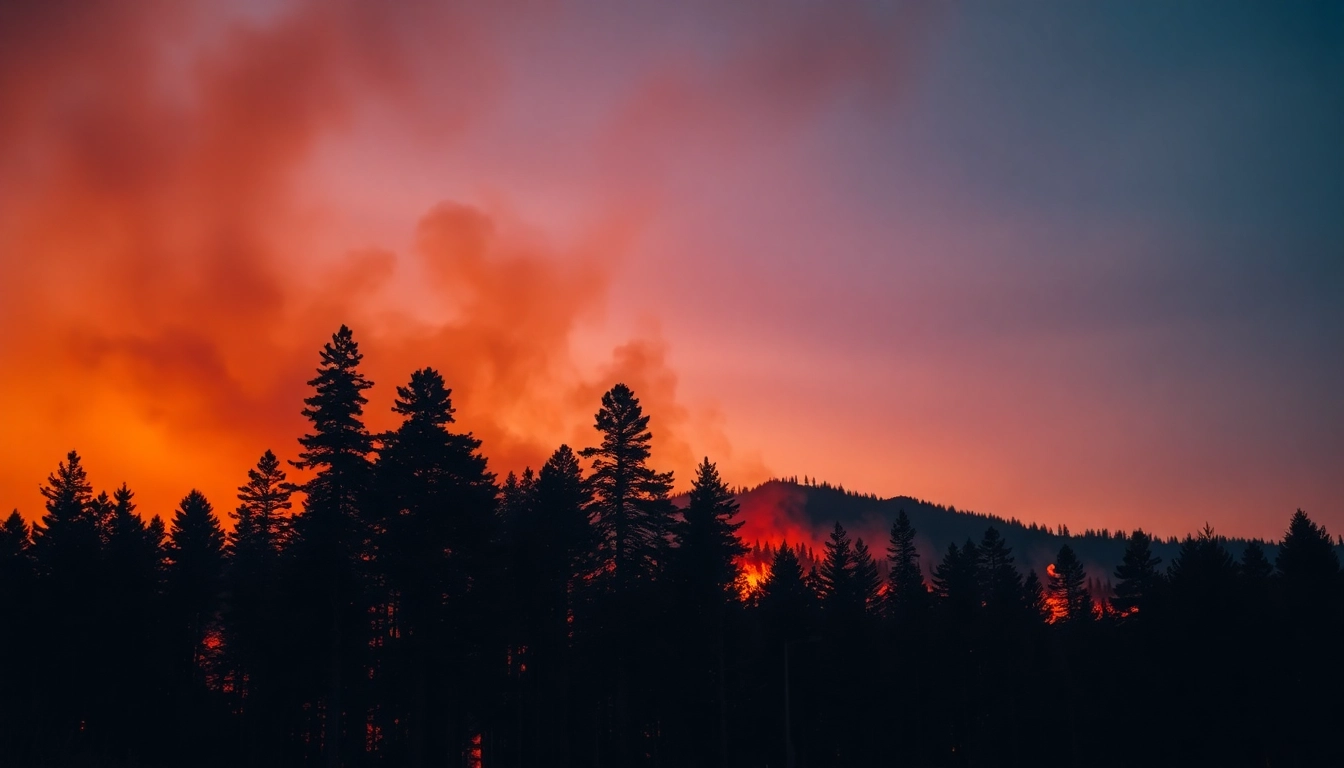
Introduction to Wildfire Events
Wildfire events are increasingly becoming a focal point of environmental discussions, as they pose significant risks to ecosystems, human health, and economies. Whether resulting from natural occurrences or human activities, understanding these phenomena is essential for effective management and prevention strategies. In this comprehensive overview, we will delve into the intricate dynamics of Wildfire events, analyzing their causes, consequences, and preventive measures.
What Are Wildfire Events?
A wildfire, often referred to as a forest fire, is an uncontrolled fire that occurs in wildland areas. These events can engulf vast stretches of land, igniting vegetation and causing extensive ecological and infrastructural damage. Wildfires can spread quickly across landscapes, propelled by wind and dry conditions, making their rapid containment a significant challenge for emergency responders.
The Importance of Wildfires to Ecosystems
Despite their destructive nature, wildfires play a crucial role in maintaining ecological balance. They can facilitate the health of ecosystems in several ways:
- Promoting New Growth: Fires clear old, dead vegetation, allowing sunlight to reach the ground and promoting the growth of new plants.
- Increasing Biodiversity: Some species of plants and animals depend on fire for their reproduction and survival. For instance, certain seeds need the heat from fire to germinate.
- Restoring Nutrient Cycles: Burned areas release nutrients back into the soil, enhancing its fertility and supporting subsequent vegetation.
Overview of Wildfire Events Statistics
The frequency and intensity of wildfires have escalated in recent years. Statistical data indicates that the annual acreage burned has significantly increased, highlighting a dire need for understanding the underlying causes. In many regions, the duration of fire seasons has expanded, correlating with climate change and human behaviors.
Causes of Wildfire Events
Natural Causes: Lightning and Weather
Natural phenomena such as lightning strikes are among the leading causes of wildfire events. When lightning strikes dry vegetation, it can ignite a fire that spreads rapidly under favorable weather conditions. Other weather factors such as wind, humidity, and temperature also play crucial roles; for instance, hot, dry, and windy conditions can escalate fire intensity and spread.
Human Activities Leading to Wildfire Events
Human actions significantly contribute to the outbreaks of wildfires. Negligence from campfires, the discarding of cigarettes, and arson are prevalent causes. In more populated areas, activities like landscaping, agricultural burns, and even fireworks can inadvertently lead to large-scale fires. Increased urban development in wildland-urban interfaces further heighten these risks.
Impact of Climate Change on Wildfire Frequency
Climate change has exacerbated conditions conducive to wildfires. Rising temperatures and shifting weather patterns contribute to prolonged droughts, further drying out vegetation. Additionally, climate change alters the timing and distribution of precipitation, leading to an increased risk of large-scale wildfires during typically dry seasons.
Typical Consequences of Wildfire Events
Environmental Damages
The immediate and long-term environmental effects of wildfire events are profound. Wildfires can devastate large forests, disrupt local ecosystems, and lead to loss of biodiversity. Furthermore, the ashes and pollutants that remain can degrade soil and water quality, impacting nearby flora and fauna.
Health Risks Associated with Wildfires
Wildfire smoke poses significant health risks to nearby populations. It contains harmful pollutants that can cause respiratory issues, cardiovascular problems, and other health concerns. Vulnerable groups, including children and the elderly, may experience exacerbated effects, making education and preventive measures critical during wildfire seasons.
Economic Impact of Wildfire Events
Beyond environmental devastation, the economic ramifications of wildfire events are substantial. The costs associated with fire suppression, property damage, and loss of business can be staggering. Additionally, regions that rely heavily on tourism may face long-term economic setbacks following major fire events.
Preventing Wildfire Events
Best Practices for Fire Safety
Effective wildfire prevention requires a combination of community involvement and individual responsibility. Adopting best practices, such as maintaining defensible space around properties, using fire-resistant building materials, and establishing firebreaks can minimize risks. Regularly clearing debris and ensuring proper disposal of flammable materials are also essential preventative measures.
Community Preparedness Strategies
Community engagement is critical for wildfire preparedness. Communities can establish fire councils and engage in regular evacuation drills, creating awareness and readiness. Collaborative efforts between local fire departments and residents can foster better communication and timely response during emergencies.
Government Policies and Regulations
Several government policies and regulations aim to mitigate wildfire risks. Zoning laws, building codes, and land management practices are vital components of wildfire prevention. Effective legislation can promote responsible land development and maintain natural fire breaks in vulnerable areas.
Responding to Wildfire Events
Emergency Response Teams and Operations
Strong emergency response teams are crucial for mitigating wildfire impacts. These teams consist of trained professionals skilled in fire management tactics, including containment, suppression, and evacuation procedures. Coordination between local, state, and federal agencies enhances resource availability and response efficiency.
Role of Technology in Firefighting
Advancements in technology have revolutionized wildfire management, with tools like satellite imagery, drones, and Geographic Information Systems (GIS) providing critical data for fire prediction and mapping. These technologies enhance situational awareness and improve decision-making during firefighting operations.
Rehabilitation after Wildfire Events
Post-fire rehabilitation is crucial for restoring ecosystems affected by wildfires. Efforts may include reforestation, soil stabilization, and water quality restoration. Engaging local communities and stakeholders in these efforts fosters a sense of ownership and accelerates recovery processes.
FAQs About Wildfire Events
What causes wildfires?
Wildfires can be ignited by natural causes like lightning or through human activities such as campfires, discarded cigarettes, and arson. Climate change can also increase the frequency of wildfires.
How can I stay safe during a wildfire?
Stay informed through local alerts, create an emergency kit, and plan evacuation routes in advance. Maintaining a defensible space around your home is also crucial for slowing fire spread.
What are the environmental impacts of wildfires?
Wildfires can lead to loss of vegetation and biodiversity, soil degradation, and polluted air and water. They also disrupt local ecosystems and wildlife habitats significantly.
How does climate change affect wildfires?
Climate change contributes to more frequent and intense wildfires by increasing temperatures, altering precipitation patterns, and extending dry seasons, further drying out vegetation.
What should communities do to prepare for wildfires?
Communities can engage in fire prevention education, establish fire councils, conduct evacuation drills, and build collaborative relationships with local fire departments for effective response strategies.