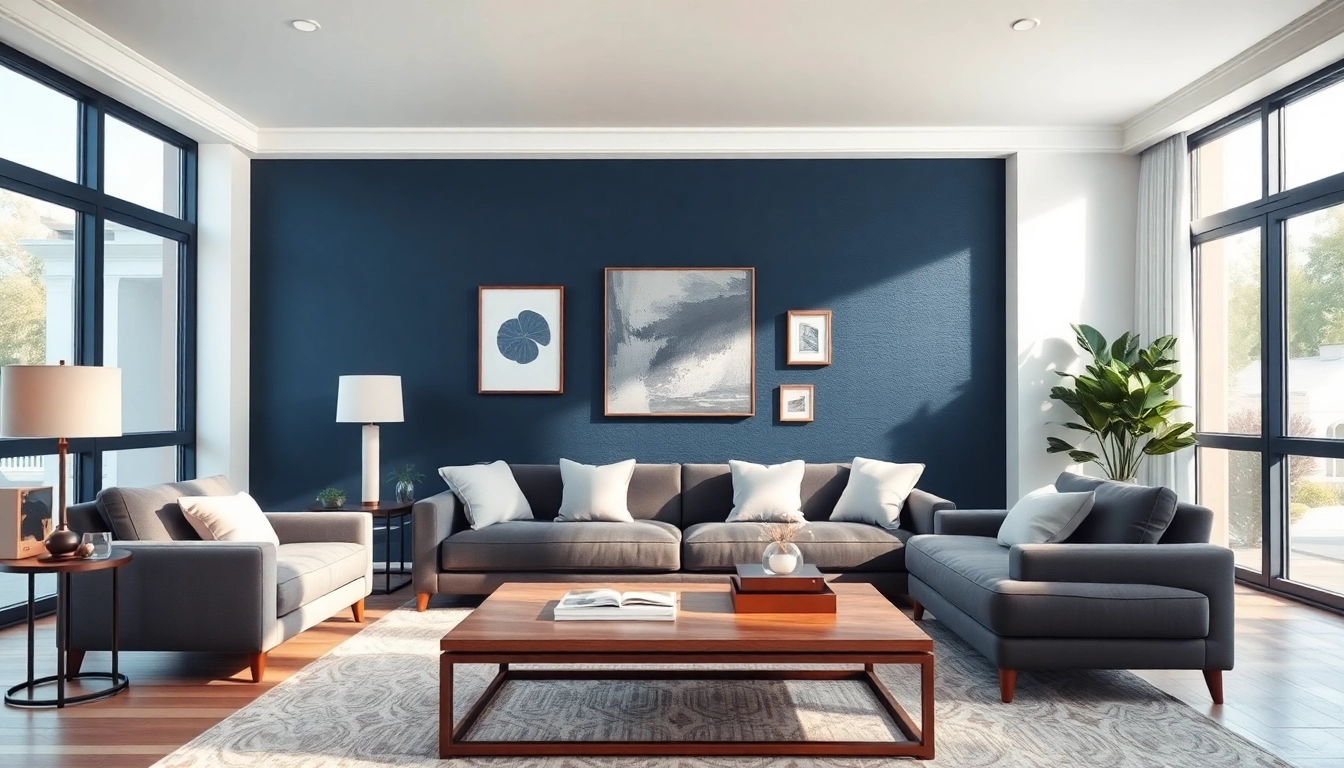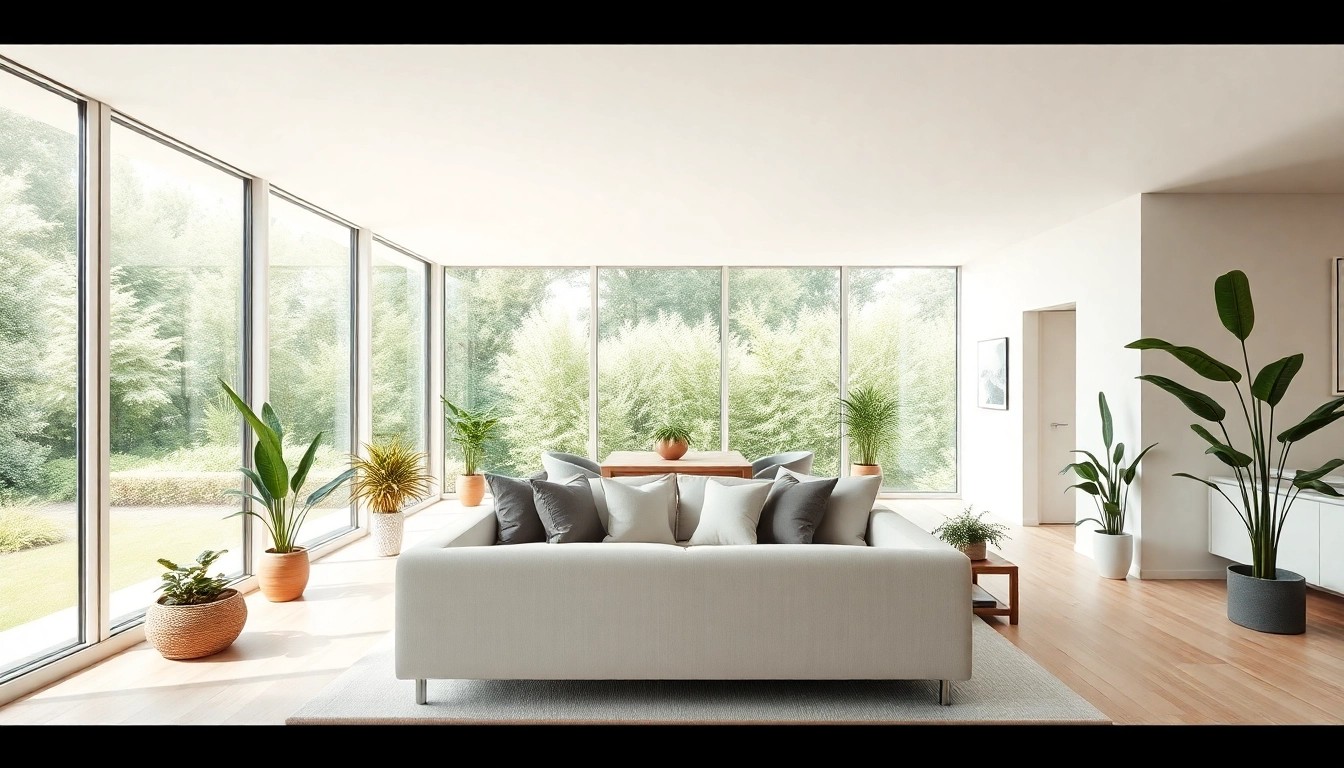
Understanding Seamless Living
The concept of Seamless Living has gained traction as individuals seek to create comfortable, interconnected spaces within their homes. As modern living evolves, the need for homes that foster relaxation and functionality without barriers becomes increasingly desirable.
Defining Seamless Living in Modern Design
Seamless Living integrates various spaces into a cohesive environment, allowing for fluid movement and interaction. This design philosophy emphasizes connectivity, both visually and physically, minimizing the delineation between different areas of a home. By fostering an uninterrupted flow, homeowners can enjoy spaces that facilitate both personal and social activities seamlessly.
Key Elements of a Seamless Living Space
For a living space to embody seamless living, several key elements must be considered:
- Open Layouts: This design choice eliminates unnecessary walls, creating harmonious spaces that encourage movement.
- Natural Light: Maximizing light enhances the ambiance and makes spaces feel larger and more inviting.
- Consistent Materials: Using similar materials throughout different areas of the home fosters visual continuity.
- Integrated Technology: Smart home solutions can streamline daily activities and augment the interconnected feel of spaces.
Benefits of Adopting Seamless Living
Adopting a seamless living approach comes with numerous benefits, including:
- Enhanced Comfort: A fluid layout minimizes shuffling between rooms, promoting relaxation.
- Improved Functionality: Multifunctional spaces can adapt to various needs, from hosting guests to enjoying quiet solitude.
- Aesthetic Appeal: Visually pleasing environments positively impact mood and overall well-being.
Design Principles for Seamless Living
Open-Plan Layouts and Flow
Open-plan designs are fundamental to achieving seamless living. This concept involves fewer walls and partitioning elements, allowing spaces such as the living room, dining area, and kitchen to merge. Such arrangements facilitate movement and encourage social interactions, which are vital in creating a warm, inviting atmosphere.
Use of Natural Materials
Naturally sourced materials contribute to the seamless living ethos by promoting a tranquil environment. Wood, stone, and organic textiles can create an inviting aesthetic while remaining functional. These elements not only enhance beauty but also contribute to the sustainable aspects of modern design.
Light and Color in Seamless Living
Light is a pivotal feature in any seamless living design. Strategically placed windows and skylights increase natural light flow, which in turn creates a brighter, more open feel. Additionally, color schemes should remain consistent throughout spaces to maintain visual harmony. Soft, neutral colors can make transitions between areas feel organic and effortless.
Practical Tips for Implementing Seamless Living
Creating Zones without Barriers
Space delineation can be achieved without physical barriers through furniture arrangement and area rugs. Use furniture to define spaces while maintaining openness; for instance, a sofa can separate the living area from the dining space, creating distinct zones that retain a sense of unity.
Choosing Furniture for Flexibility
Opt for multifunctional furniture that can be adapted based on current needs. For example, extendable dining tables and modular sofas can help creating spaces that adapt to various activities or gatherings. This flexibility ensures that rooms can be transformed effortlessly according to the occasion.
Incorporating Natural Light Effectively
To maximize natural light, consider window treatments that allow for privacy while still permitting brightness. Layered curtains or blinds can help control light intensity, making spaces more comfortable. Additionally, incorporating reflective surfaces such as mirrors can distribute light more effectively throughout your home.
Challenges in Achieving Seamless Living
Overcome Common Design Pitfalls
Despite the advantages, achieving seamless living can come with challenges. Common pitfalls include overcrowding spaces with furniture and neglecting functional layout. To overcome these issues, create a detailed plan and prioritize essential furniture and decor that aligns with the seamless living philosophy.
Balancing Aesthetics with Functionality
While aesthetics are crucial, seamless living demands that functionality remains at the forefront. Furniture should be both beautiful and pragmatic. Identify key items that serve dual purposes and enhance both the decor and the usability of the space.
Dealing with Limited Space
Maximizing small areas requires ingenuity. Utilize vertical space with shelves and consider built-in furniture solutions that conserve floor space. Use light colors to make areas appear larger and incorporate mirrors strategically to give the illusion of depth.
Future Trends in Seamless Living
Sustainable and Eco-Friendly Design Choices
As environmental awareness grows, so does the trend towards sustainable design. Materials sourced responsibly and energy-efficient home features contribute to better living experiences while also being environmentally conscious. Integrating plants and biophilic designs can enhance air quality and overall well-being.
Technological Innovations Enhancing Seamless Living
Smart technology is paving the way for seamlessly integrated environments. Devices such as smart thermostats, lighting, and security systems can be interconnected to enhance daily living experiences. This technology-driven approach ensures convenience and maintains the seamless flow of home environments.
Integrating Outdoor and Indoor Spaces
Creating a seamless transition between indoor and outdoor areas is increasingly popular. This can be accomplished through the use of large glass doors that open to patios or decks, creating an illusion of continuity. Additionally, outdoor furniture styles that match indoor choices will enhance this integration.
Frequently Asked Questions
What is seamless living?
Seamless living is a design concept that integrates different areas of a home, promoting fluid movement, connectivity, and overall functionality.
How do I create a seamless living space?
Focus on open layouts, consistent materials, and multifunctional furniture to create an integrated and harmonious living environment.
What are the benefits of seamless living?
Benefits include enhanced comfort, improved functionality, and a visually appealing environment that fosters well-being and relaxation.
Can seamless living work in small spaces?
Yes! Using flexible, multifunctional furniture and maximizing vertical space can successfully implement seamless living in small areas.
Are there sustainable options for seamless living?
Absolutely! Using eco-friendly materials and energy-efficient appliances are excellent ways to embrace sustainability in seamless living.