Understanding Japanese Knotweed and Its Impact
What is Japanese Knotweed?
Japanese Knotweed, scientifically known as Fallopia japonica, is a perennial plant native to East Asia. It is renowned for its rapid growth and resilience, often reaching heights of up to 3 meters (10 feet) in a single growing season. The plant features heart-shaped leaves and distinctive bamboo-like stems that can create dense thickets, making it an aggressive invader of gardens and landscapes.
Why is Japanese Knotweed Problematic?
This invasive species poses a significant threat to both residential and commercial properties. Its extensive root systems can penetrate foundations, driveways, and underground pipes, leading to costly structural damage. In many regions, the presence of Japanese Knotweed diminishes property values and complicates real estate transactions. Furthermore, its rapid growth can outcompete native flora, disrupting local ecosystems.
Identifying Japanese Knotweed in Your Garden
Successfully managing Japanese Knotweed requires accurate identification. Look for the following characteristics:
- Tall, upright stems that are hollow and have a purple speckled appearance.
- Large, heart-shaped leaves that are typically 5 to 14 cm wide.
- Clusters of small white flowers that bloom in late summer, often attracting pollinators.
- A dense, sprawling root system that can extend several meters underground.
If you suspect the presence of Japanese Knotweed, it is vital to act promptly to prevent further spread. For guidance on effective Japanese Knotweed Removal, continue reading.
Best Practices for Japanese Knotweed Removal
Manual Removal Techniques
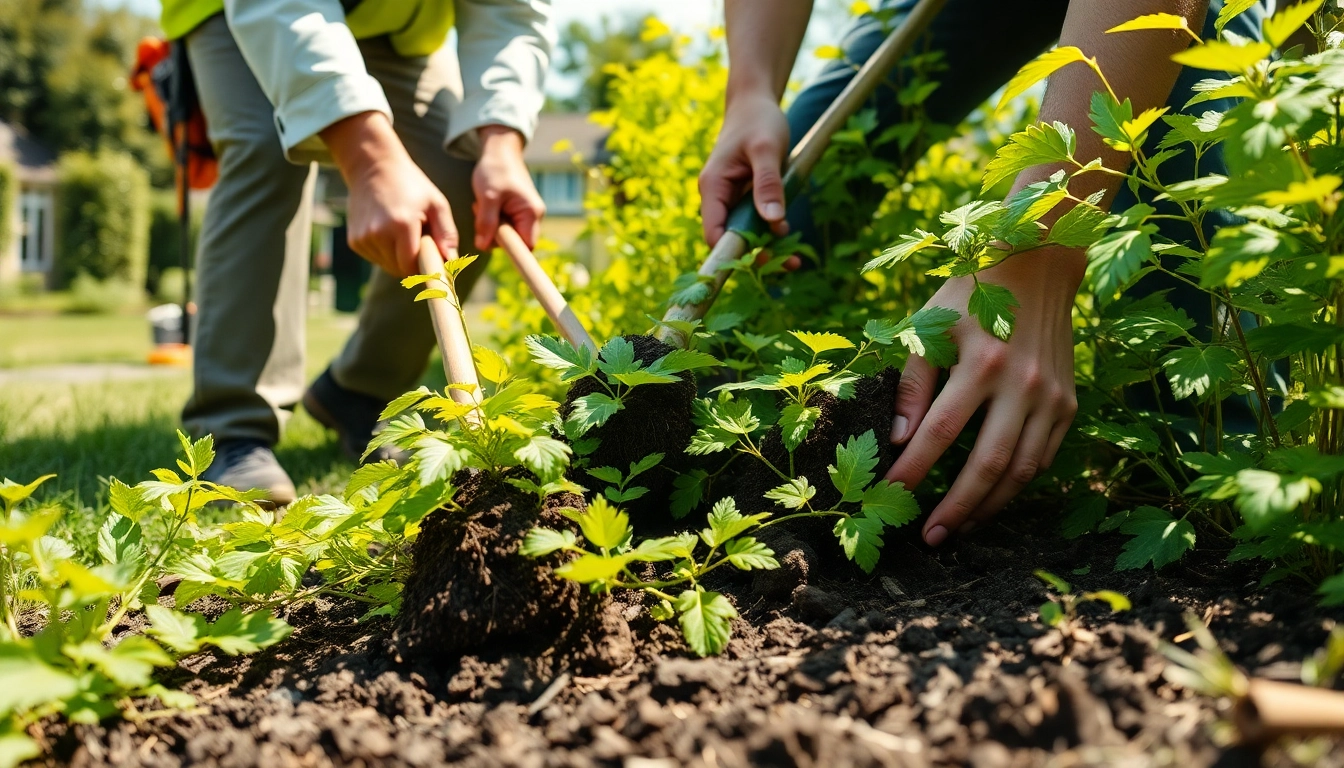
Manual removal can be an effective strategy, particularly for small infestations. The process involves:
- Wearing protective gear, including gloves and eyewear, to avoid skin irritation.
- Using spades or garden forks to dig up the entire root system, ensuring that no fragments are left behind.
- Bagging all plant material in thick, heavy-duty plastic bags to prevent re-establishment.
- Disposing of the bags at a designated waste facility, as burning is often illegal due to the potential for spread.
Note that this method is labor-intensive and may need to be repeated multiple times throughout the growing season.
Chemical Solutions for Effective Control
Chemicals can provide a more efficient means of controlling Japanese Knotweed, particularly in larger infestations. Herbicides containing glyphosate or triclopyr have proved successful. The application should follow these guidelines:
- Apply the herbicide during the plant’s active growth stages, ideally in spring or early summer.
- Ensure thorough coverage of the leaves for optimal absorption.
- Follow manufacturer instructions regarding dilution and application frequency for best results.
Caution: Always ensure compliance with local regulations regarding chemical use, as improper applications can harm the surrounding ecosystem.
Long-term Management Strategies
Removing Japanese Knotweed is often not a one-time affair. Implementing long-term strategies is crucial for sustained control:
- Regular monitoring of previously affected areas to catch new growth early.
- Established native plants can help outcompete any returning Knotweed.
- Creating barriers or using landscape fabric may deter the spread of roots.
Combining manual, chemical, and management strategies offers the best chance of effective, lasting removal.
DIY vs. Professional Japanese Knotweed Removal
When to DIY Japanese Knotweed Removal
Consider DIY approaches for smaller infestations where you can easily identify and manage the plant. DIY is cost-effective, and with the right tools, you can control the problem without significant expenditure. However, if the infestation is extensive, more resources may be necessary.
Benefits of Hiring Professionals
Enlisting the help of professionals offers several advantages:
- Experts have knowledge of local regulations and the best methodologies for removal.
- Professional services often come with guarantees, offering long-term support.
- They can utilize specialized equipment to prevent spread while ensuring thorough removal.
Choosing a professional service can save time and reduce stress, allowing homeowners to focus on other priorities.
Cost Comparisons: DIY vs. Professional Help
The costs of removal can vary significantly based on your approach:
- DIY Costs: Expenses include tools, protective gear, and herbicides. Generally, DIY can cost a few hundred dollars.
- Professional Removal Costs: Depending on the infestation’s severity, hiring professionals can range from a few hundred to several thousand dollars.
Evaluate the extent of the problem, personal capability, and desired speed of results to decide which approach suits you best.
Legal Considerations Surrounding Japanese Knotweed
Understanding Your Responsibilities
Homeowners are legally obligated to control and manage the spread of Japanese Knotweed on their property. Failing to address this invasive species can lead to legal repercussions, particularly if it encroaches on neighboring properties.
Notifying Neighbors and Local Authorities
If Japanese Knotweed is identified, it’s crucial to inform neighbors, especially if their properties could be affected. Some local governments may require notification of invasive species present on a property.
Potential Penalties for Mismanagement
Failing to manage Japanese Knotweed could result in legal penalties and the potential for civil action from affected neighbors. It’s essential to document removal efforts and engage professionals if necessary to ensure effective control.
FAQs About Japanese Knotweed Removal
How quickly can Japanese Knotweed grow back after removal?
Japanese Knotweed can regrow rapidly within a few weeks, especially if root fragments are left in the ground. Ongoing monitoring and management are essential post-removal.
What are the signs of Japanese Knotweed infestation?
Signs include tall bamboo-like stems, large heart-shaped leaves, and clusters of small white flowers. Look for rapid growth and dense patches in your garden.
Can Japanese Knotweed cause structural damage to my home?
Yes, its extensive root systems can damage foundations, pipes, and driveways, leading to significant repair costs if left unmanaged.
What chemicals are safe for Japanese Knotweed Removal?
Herbicides that’s contain glyphosate or triclopyr are commonly used. Always adhere to local guidelines regarding chemical usage.
Will removing Japanese Knotweed impact my local ecosystem?
Effective removal should minimize impact. However, rapid regrowth of native flora can help restore the ecosystem quickly if managed properly.