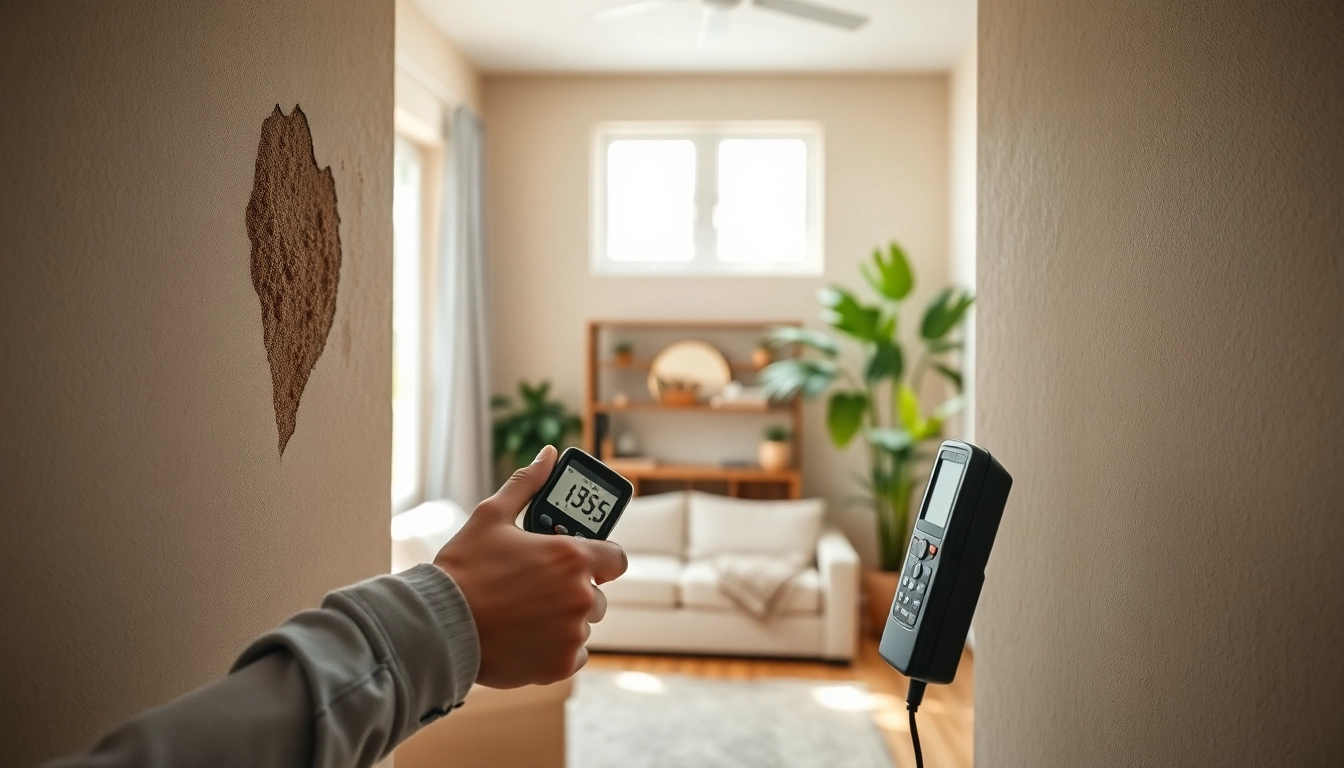
Introduction to Spray Foam Causing Damp
Spray foam insulation has gained significant popularity in recent years, often touted for its superior thermal performance and air-sealing capabilities. However, a growing concern among homeowners is the potential association of spray foam causing damp in residential properties. This article explores the intricacies of spray foam insulation, the ways it may contribute to damp issues, and the strategies for prevention and maintenance. Understanding these factors is crucial for ensuring that your home remains comfortable and dry.
What is Spray Foam Insulation?
Spray foam insulation is a type of insulation that involves spraying a polyurethane foam onto surfaces within a building. The foam expands upon application, filling gaps and creating a tight seal that helps to minimize air leaks and improve energy efficiency. Spray foam is available in two main types: open-cell and closed-cell foam. Open-cell foam is lighter, expands more, and provides better sound absorption, while closed-cell foam is denser, acts as a vapor barrier, and offers higher R-values.
The Connection Between Spray Foam and Damp
The primary concern linking spray foam insulation to dampness revolves around its moisture management capabilities. While the insulation effectively seals spaces, it can sometimes trap moisture within walls or attics if not installed or ventilated properly. This entrapment can lead to mold growth and structural damage if the underlying causes of dampness are not addressed. Understanding the moisture dynamics is crucial to preventing negative outcomes.
Common Misconceptions About Spray Foam Insulation
Many misconceptions surround spray foam insulation, leading homeowners to either embrace it blindly or avoid it altogether. One prevailing myth is that spray foam is inherently responsible for all forms of dampness. In reality, dampness can stem from various sources, such as leaks, inadequate ventilation, or rising moisture from the ground. Another misconception is that all spray foam products are the same; however, the type of foam and its installation conditions significantly affect moisture behavior.
Identifying Signs of Dampness
Detecting dampness in your home early can help prevent more severe problems down the line. Knowing what signs to look for is essential for effective remediation.
Visual Indicators of Dampness
Homeowners should be vigilant for several visual indicators of dampness. These include:
- Water stains or discoloration on walls or ceilings
- Peeling or bubbling paint and wallpaper
- Mold or mildew growth in corners or on surfaces
- A musty odor that persists in certain areas
Identifying these signs early on can be crucial in preventing further damage and ensuring swift action is taken.
Using Tools to Measure Dampness
To accurately gauge dampness levels in your home, various tools can be used. Moisture meters are particularly useful for measuring the moisture content in walls, floors, and ceilings. These devices provide immediate feedback and can help pinpoint problem areas. Additionally, thermal imaging cameras can identify temperature variations that indicate trapped moisture, even behind wall surfaces.
Comparing Dampness with Other Issues
It’s essential to differentiate dampness from other potential issues such as condensation or poor insulation. While dampness can cause similar signs, condensation is usually a result of high humidity levels and poor air circulation. Understanding these differences can lead to more targeted solutions and effective maintenance strategies.
Understanding the Causes of Dampness
The causes of dampness in homes can be multifaceted, especially when spray foam insulation is involved. Identifying and addressing these root causes is crucial for effective remediation.
How Spray Foam Can Retain Moisture
One of the key challenges with spray foam is that it can inadvertently trap moisture within structural cavities if not correctly installed. Open-cell spray foam, while effective for insulation, may allow moisture through if it is exposed to high humidity levels without proper ventilation. Closed-cell foam, conversely, provides a barrier but can also trap moisture from within if there are leaks or high humidity levels present. Homeowners must ensure that their insulation strategy incorporates appropriate moisture management techniques.
Environmental Factors Contributing to Dampness
Several environmental factors can exacerbate the chances of dampness in homes insulated with spray foam. Poor rainfall drainage, high groundwater levels, and natural humidity can all contribute to increased moisture levels. Additionally, construction practices that fail to account for these environmental factors can result in inadequate drainage or sealing, leading to damp conditions.
Addressing Poor Ventilation Issues
Ventilation plays a critical role in controlling indoor humidity levels. If a home insulated with spray foam lacks adequate ventilation, moisture can accumulate, leading to dampness. Strategies for improving ventilation include installing vents, utilizing exhaust fans in bathrooms and kitchens, and considering whole-house ventilation systems. Keeping air flowing helps to regulate humidity levels and prevents dampness from developing.
Preventative Measures and Best Practices
Implementing preventative measures can safeguard your home against the adverse effects of dampness related to spray foam insulation.
Choosing the Right Spray Foam Product
Selecting the appropriate type of spray foam for your home is essential. Closed-cell foam is often recommended for areas prone to moisture due to its moisture barrier properties. Always consult with a qualified insulation professional to assess your home’s needs and recommend the most suitable product. Furthermore, ensure that any spray foam installation complies with local building codes and industry best practices.
Ventilation Solutions to Reduce Moisture
Effective ventilation solutions are paramount in reducing moisture levels within a home. Consider implementing the following strategies:
- Install ridge vents and soffit vents to create air circulation in attic spaces.
- Use bathroom exhaust fans during showering to eliminate excess humidity.
- Install a dehumidifier in particularly humid areas, such as basements.
These ventilation enhancements can counteract the moisture-retaining properties of spray foam insulation, ensuring a balanced indoor environment.
Routine Maintenance Tips for Homeowners
Routine maintenance is critical in preventing dampness and preserving the integrity of spray foam insulation. Homeowners should conduct regular inspections of insulation areas, check for signs of moisture intrusion, and ensure that gutters and drainage systems are functioning properly. Keeping an eye on the overall condition of your home and addressing small issues before they escalate can save time and money in the long run.
Frequently Asked Questions
1. Can spray foam insulation really cause damp?
Yes, if not installed properly or lack adequate ventilation, spray foam insulation can trap moisture, leading to damp issues in your home.
2. What are the signs of damp caused by spray foam?
Signs include water stains, peeling paint, musty odors, and visible mold growth. Early detection is key to addressing the problem.
3. How do I prevent dampness with spray foam?
Choose the right type of spray foam, ensure proper installation, and maintain good ventilation to minimize the risk of dampness.
4. Is all spray foam insulation the same?
No, there are different types (open-cell and closed-cell), each with unique properties that affect moisture retention and insulation effectiveness.
5. When should I call a professional about damp issues?
If you notice significant damp signs or if moisture issues persist despite your efforts, it’s best to consult a professional for a thorough assessment.